Skip to content

Go Global! March 14th, 2025

Go Global

Date: Friday, March 14 12:30 – 2:00 p.m.
Location: Health Sciences Education Building Room 101

RSVP HERE

The University of Washington School of Nursing Center for Global Health Nursing invites you to join us March 14 at 12:30pm for our annual event.

This year’s event theme will focus on women’s health and will include a catered lunch, feature researchers and rising stars in the field of global health, and give attendees an opportunity to view poster presentations from our Global Health Nursing Certificate students and 2024 study abroad participants!

Plenary Speaker

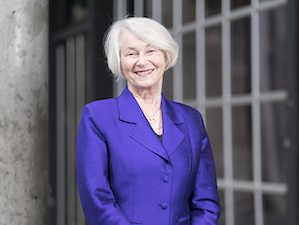
Dr. Nancy Woods, PhD, RN, FAAN
Dr. Nancy Woods, PhD, RN, FAAN, Professor and Dean Emeritus

Nancy Woods, PhD, RN, FAAN, is a renowned figure in nursing. Recognized by her research and academic leadership throughout her career, Dr. Woods was given the distinction of “Living Legend” by the American Academy of Nursing in 2017. In addition to her long research career, she was the dean of the University of Washington School of Nursing from 1998 – 2008, and was pivotal in launching, with the expertise of faculty and students at the School of Nursing, the first Doctor of Nursing Practice degree program on the West Coast.

Dr. Woods began her research focusing on young adult women’s roles and their health as they entered the labor force. She led the first prevalence study of perimenstrual symptoms in the US in the early 1980s and identified a variety of symptom patterns linking symptoms to reproductive endocrine measure, stressors and stress response biomarkers. Over the course of her research career, Dr. Woods co-established the first NIH-funded Center for Women’s Health Research and the Seattle Midlife Women’s Health Study, following over 500 women for up to 20 years.  She also was an investigator for the Women’s Health Initiative and the MsFLASH study, focusing on symptom management for hot flashes. Her work has significantly advanced the understanding of menstrual cycle symptoms, menopause, and healthy aging.

Dr. Woods served on multiple national advisory committees, including the first NIH National Advisory Committee for Women’s Health, which established the original NIH agenda for Women’s Health Research. She has also served as president of the American Academy of Nursing, the North American Menopause Society, and the Society for Menstrual Cycle Research.

Since retiring from the University of Washington in 2017, Dr. Woods continues to advocate for women’s health by volunteering her time working with the Women Living Better, an organization designed to provide women with evidence-based information about menopause. 

Guest Speaker

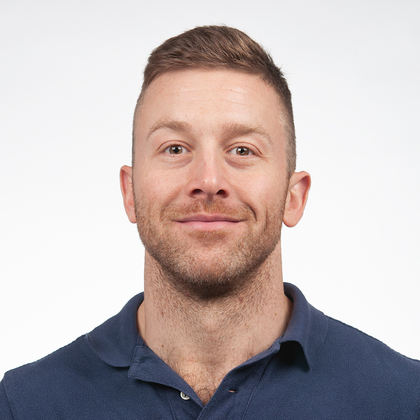
Karin Huster, BSN, MPH

Karin Huster, BSN, MPH

UW graduate Karin Huster earned her BSN in 2005 and her MPH from the DGH in 2013. After working for nine years as an RN at Harborview Medical Center’s Trauma ICU, she focused her work on responding to humanitarian emergencies: as a field epidemiologist or in emergency coordination roles for MSF’s (Doctors without Borders) emergency pool as well as in her health advisor function for USAID’s Bureau of Humanitarian Assistance. Her work has taken her throughout the world, to meet the needs of refugees and other marginalized populations.  A small list of her work experiences include spending 2014-2016 in West Africa during the height of the Ebola epidemic, responding to a large yellow fever outbreak response in the Democratic Republic of Congo in 2017, responding to a dangerous Ebola outbreak in the DRC in 2018, managing a MSF emergency war hospital in Iraq in 2018, volunteering with King County Public Health on their COVID response in the homeless population and spending 5 months in Gaza in 2024. She is tireless. She currently serves as a Medical Coordinator for MSF in Gaza. She disseminates the injustices she witnesses in her work through Op-eds in the New York Times,  via video blogs on YouTube and social media. In 2024 she was awarded the distinguished Alumna Award from the UWSON.

Nursing Experiences in Peru


The UW School of Nursing’s Engagement in Iquitos, Peru: 2016 – Present 
The School of Nursing, has been collaborating with a multidisciplinary team of UW and Peruvian researchers in Iquitos since 2016 with support from generous donors, including the estate of Barbara Wyman.

UW SON students first began coming to Iquitos as part of the project in 2017. Yvette Rodriguez, a PhD student, and Austin Bidman, a BSN student conducted an assessment of the litter found in the community of Claverito.

Claverito is a floating neighborhood on the outskirts of Iquitos. Many people who live there are recent migrants to Iquitos from the interior of the Amazon and have limited access to the cash economy.  Weather directly impacts their housing as their structures are alternately “floating” or on the muddy flats. Residents experience high rates of waterborne diseases.

Yvette and Austin found a huge amount of little and also that most of the litter surrounding the neighborhood was plastic. They worked together to research the impact that plastic litter could have on human health and discovered a connection to mosquito-borne diseases, through its creation of physical reservoirs for water, which attract breeding mosquitos. Rodriguez returned to Claverito in 2018 to disseminate her work with the local nursing school. Learn more about Rodriquez’s work here

In the summer of 2018, Morgan Busse, Jane Kim and Marissa Mashidas, all in the Doctor of Nursing Practice (DNP)-Family Nurse Practitioner program, joined Yvette, on this project in Iquitos. They worked collaboratively with local nurses and local nursing students from the National University of the Peruvian Amazon (UNAP) to further strengthen climate and health resilience with the residents of Claverito. They established the Academia Familiar del Amazonas (AFA), which translates to the “Family Academy of the Amazon.” Through the AFA, the team provided health education to the children and families of Claverito. Learn more here

In 2019, two nursing students visited the community of Claverito, Andrea Shelton DNP-NM and Hannah Bridgeland, DNP-FNP. They met with women and families to determine their reproductive and sexual health needs and to discover how they were accessing resources in the community and subsequently created a resource map based on the women’s priorities and needs. You can see their work here: Service Mapping for the Community of Claverito.

In 2023, Miyuki Watanabe, DNP PNP-PC student, participated in the program with the goal of updating this resource map. Upon arrival, she conducted a community meeting to assess whether community members had accessed the resource map. It was quickly determined that only four community members of the 20 attending had seen it. After this, her objectives pivoted to identify gaps in the communication of this resource and determine how living conditions and limitations might affect their access to resources.


2023: The Landscape Architecture Study Abroad Program
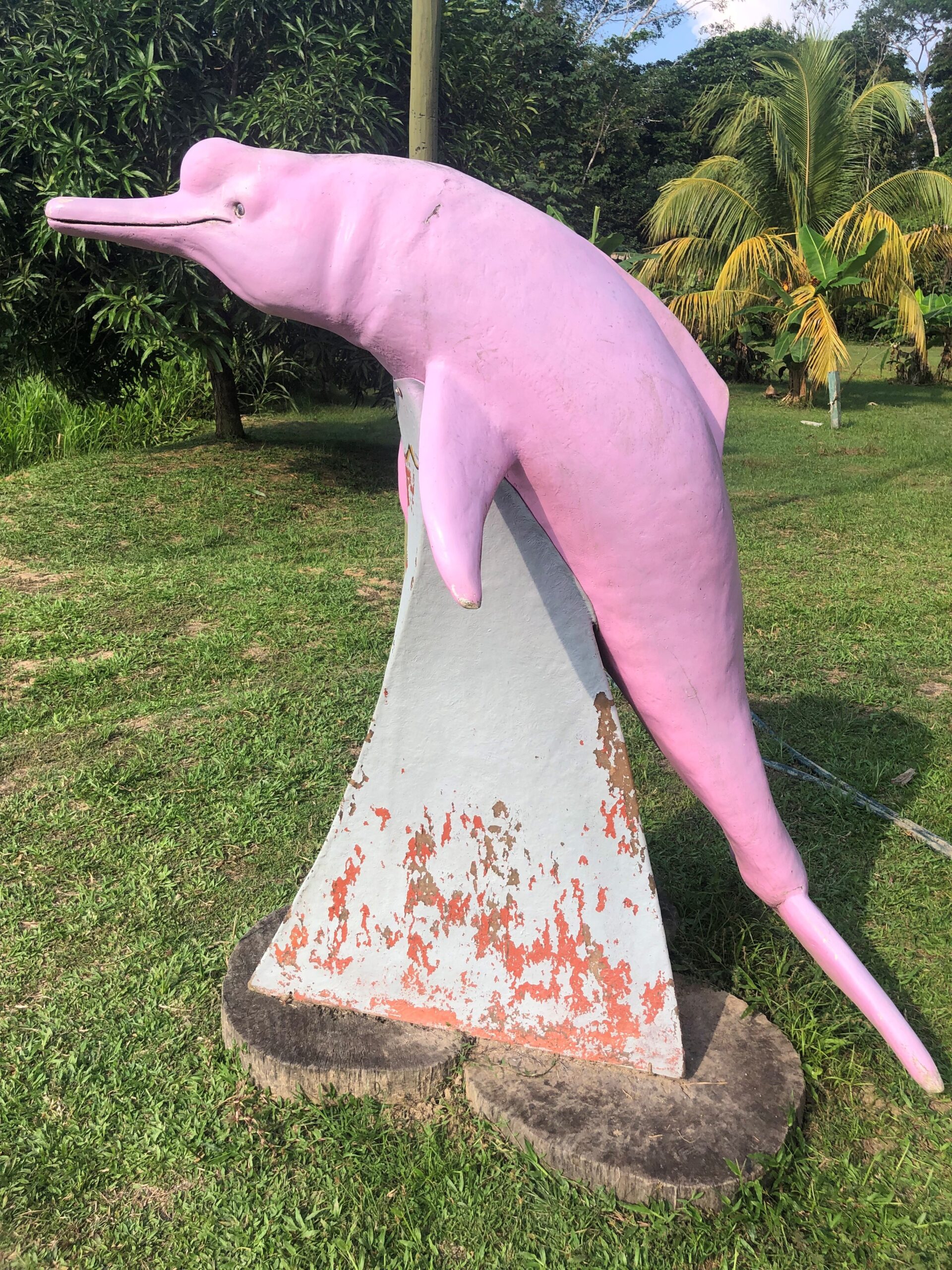
Our program began in Iquitos, a landlocked city of half a million people in the rainforest region of Peru. Iquitos, only accessible by plane and boat, is a vital access port for travel and commercial transit in this Amazonian region which includes borders with Brazil and Colombia. We spent a few days in Iquitos for orientation. Our team then traveled deep into the Amazon rainforest by boat. Five nights of camping allowed for our group of university professors and students to explore the tremendous ecological diversity of the Amazon. Each morning and evening we further explored the region via boat rides, providing amazing views of sunrises and sunsets.  These excursions also offer opportunities to see many of the animals that live in the Amazonian rainforest. Sightings of pink and gray dolphins, amphibians, caimans, monkeys, sloths, macaws and a variety of other birds were commonplace. We were able to fish from the boats and even caught a few piranhas. Our team took hikes through the jungle allowing us to further explore the myriad of native plants, trees, and the creatures that thrive within this unique environment.
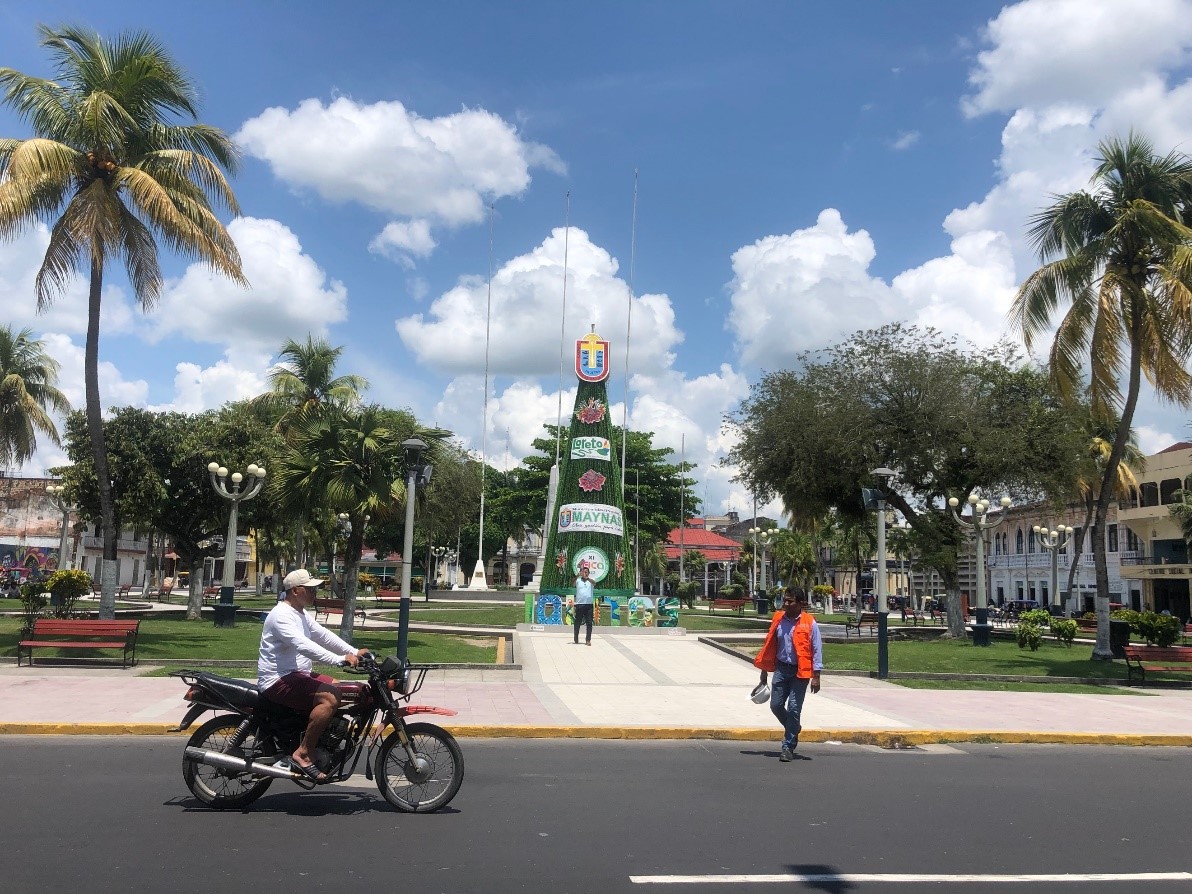
After five nights of camping, our group traveled back to Iquitos for another few days. Time in Iquitos was filled with a variety of activities – lectures/discussions, field trips, and site visits. We enjoyed lectures from local researchers. We learned about the history of Iquitos’ urban development and how government policy has impacted its current design. We spent time walking through local markets. We visited museums, health care satellite facilities, the local university, and a mosquito lab. At the mosquito lab, we learned about two different mosquito species and the specific diseases that each carries including dengue, zika and malaria. Scientists at the lab are working on ways to decrease the incidence of such infections, as well as prevent mosquito breeding.
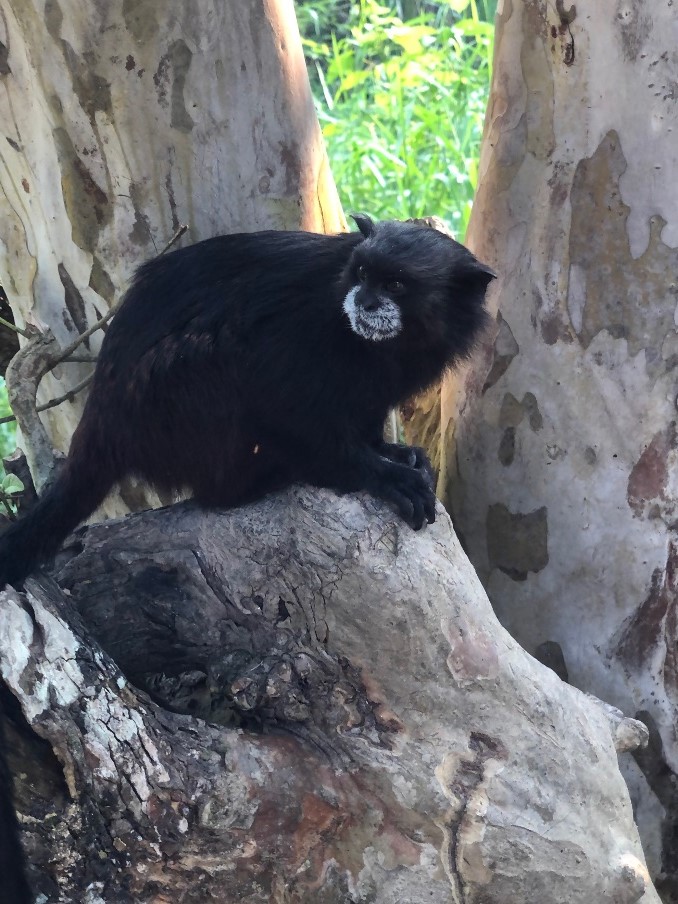
Then, we traveled to a peri-urban Amazonian lodge for another five nights. Here, running water (not potable) and electricity were available from morning until evening, but not overnight. Boat rides provided transit to explore new areas of the jungle. We were able to visit a number of animal sanctuaries. One, on the way to the lodge, was Fundo Pedrito. This sanctuary is home to animals that have been rescued from the illegal trafficking market or those who had been wounded and found. Another, La Isla de los Monos, or “Monkey Island,” serves the same purpose as Fundo Pedrito, housing a variety of monkeys with the intent to release them back into their natural habitat. During our time at the lodge, we visited the community of Bombonaje. The local medical technician met with us and guided our tour of the school and the medical outpost so we could see the health and educational resources available to local communities.

This study abroad program in Peru is a fantastic field-based opportunity to learn as part of a multidisciplinary team. I found this aspect of the program to be the most unexpectedly beneficial. I learned from students from environmental science, landscape architecture and other majors about their work and how they think through their projects. Prior to attending the program, I would have never thought to consult with a landscape architect or other urban development specialists on health initiatives. As a nurse, my first thought is health of the individual. My nursing experience has taught me to include the environment where people live and how that relates to both their physical and mental wellness. My view of health and nursing is now more holistic and includes, more intentionally, the built environment of my patients and the communities I serve.
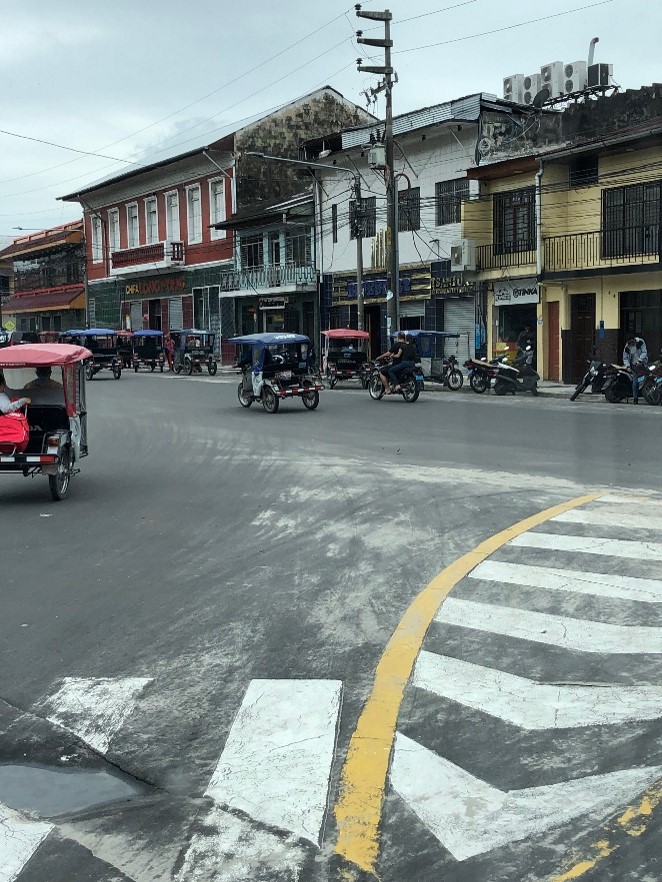
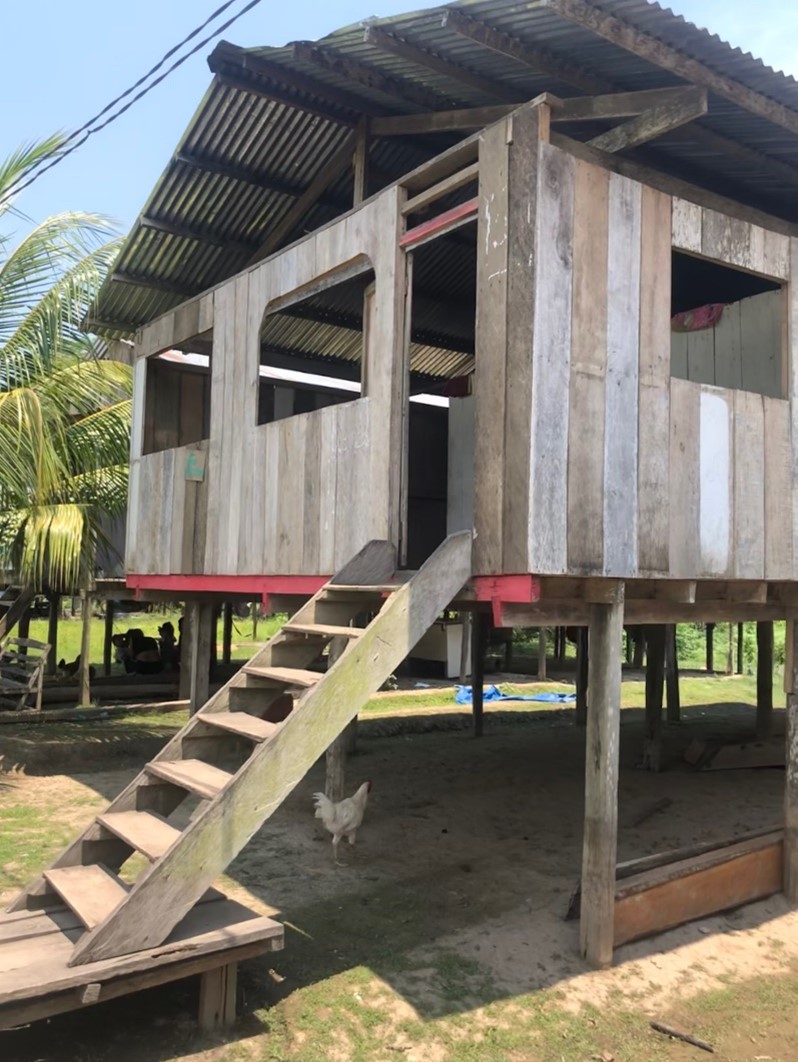
Before going to Peru, I believed that urban development was synonymous with diminished health outcomes for people, animals and the environment. But what I learned from the perspectives and knowledge of my multidisciplinary colleagues has changed this single-minded view. Landscape architects and development specialists are really thoughtful about their designs. They not only consider the use of space, but also the plants and materials to be used for each project. They are able to incorporate practices that create safe and healthy environments for all living things, in urban and rural settings. So now, I am hopeful that through collaboration with a variety of fields and perspectives, urban development can be good for overall health. The heart of One Health came to life.

Another important aspect of the program was how it provided a new and vivid view of the social determinants of health (SDoH) which I had formally learned about the throughout nursing school and informally, through my own upbringing and lived experience. This program took me out of the world that I previously knew and uniquely highlighted the impacts of the SDoH – especially by highlighting the different experiences for people living in different levels of urbanicity in Peru.
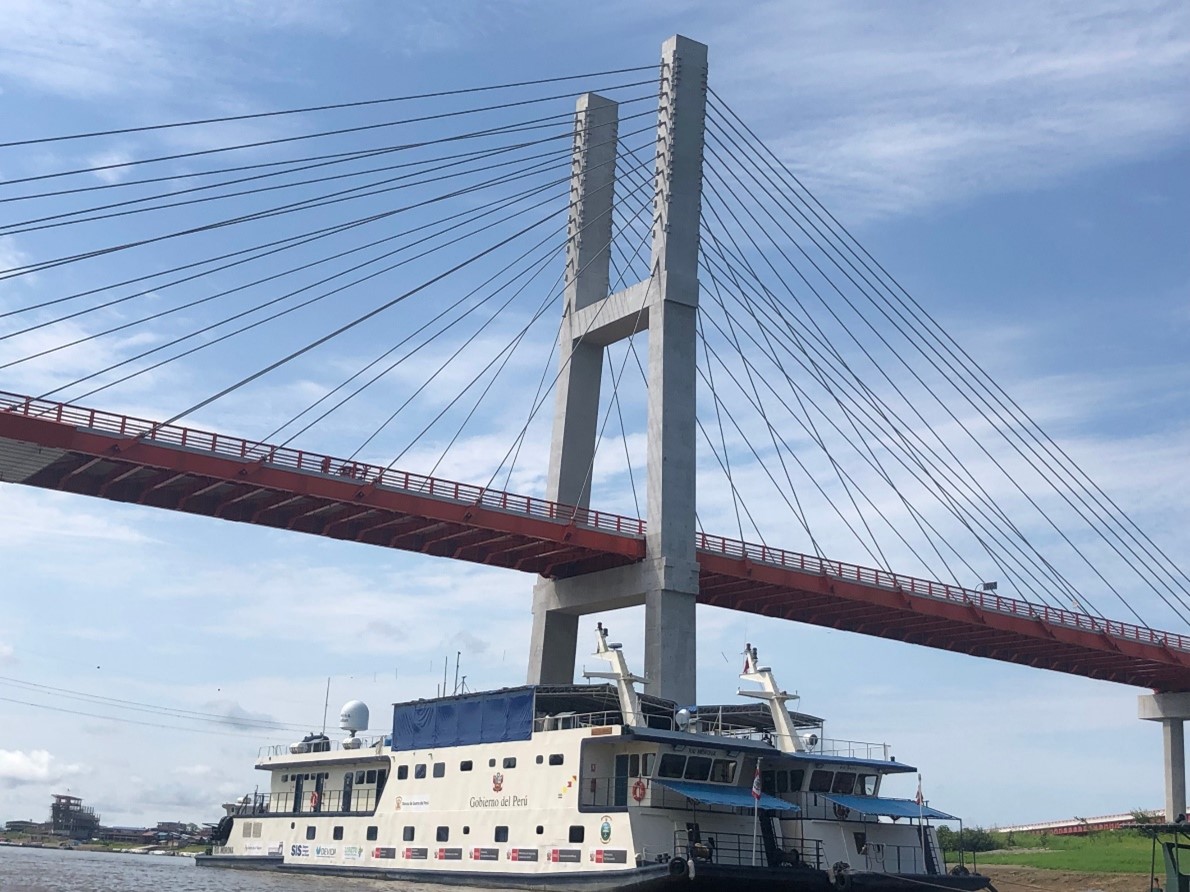
Overall, this program centers on landscape architecture and the built environment – and encourages a reflection of impact of urban development on human and environmental health. Students on this program are from landscape architecture, urban development, design engineering, public health as well as nursing. It is important for nurses to understand that this program is not nursing-centered. While you will see the SDoH displayed, and you get to visit sites like the mosquito lab, health clinic outposts, the university that researches indigenous medicine, and talk to various providers, the program is designed around landscape architecture. Adding the nursing perspective enriches the experience for all participants.


Meet the Participants
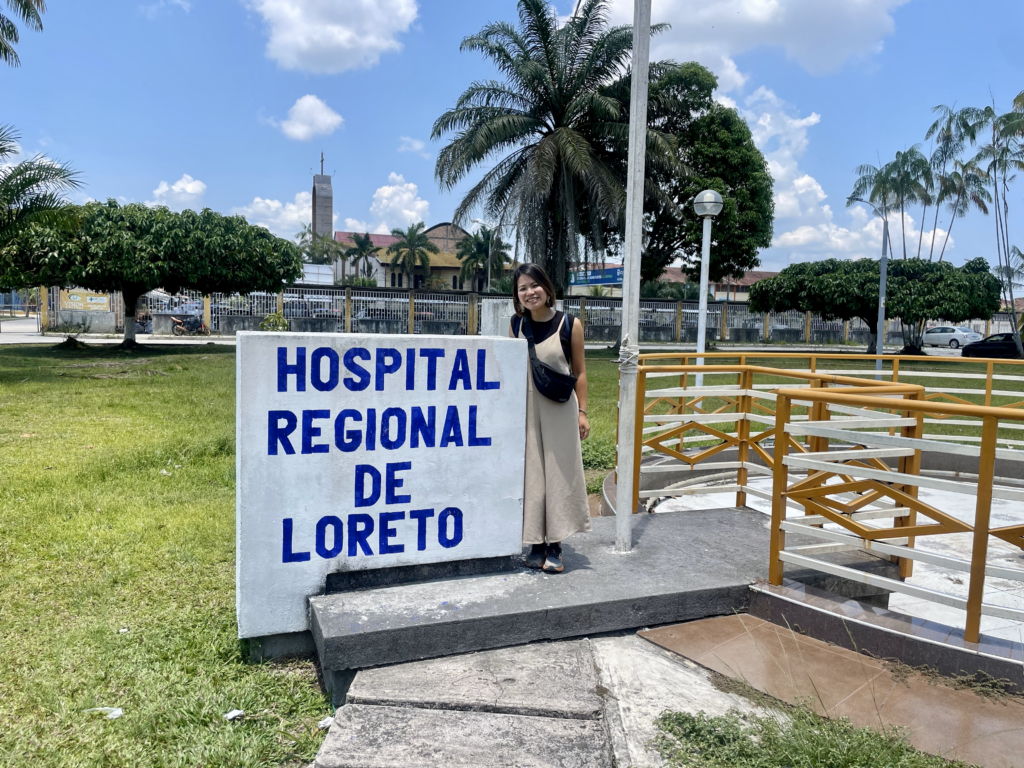
Photo Credit: Miyuki Watanabe

Miyuki Watanabe
DNP- Pediatric Nurse Primary Care Practitioner Student

Reason for going: “Interested in health care access in limited resource settings.”

Favorite part: “I was able to interact with local people and hear lectures from local researchers.”

Recommendation: “I recommend that you do preliminary research or literature reviews [on governmental structure and current events], a simple one is fine. That would be really helpful to connect with the experience.”
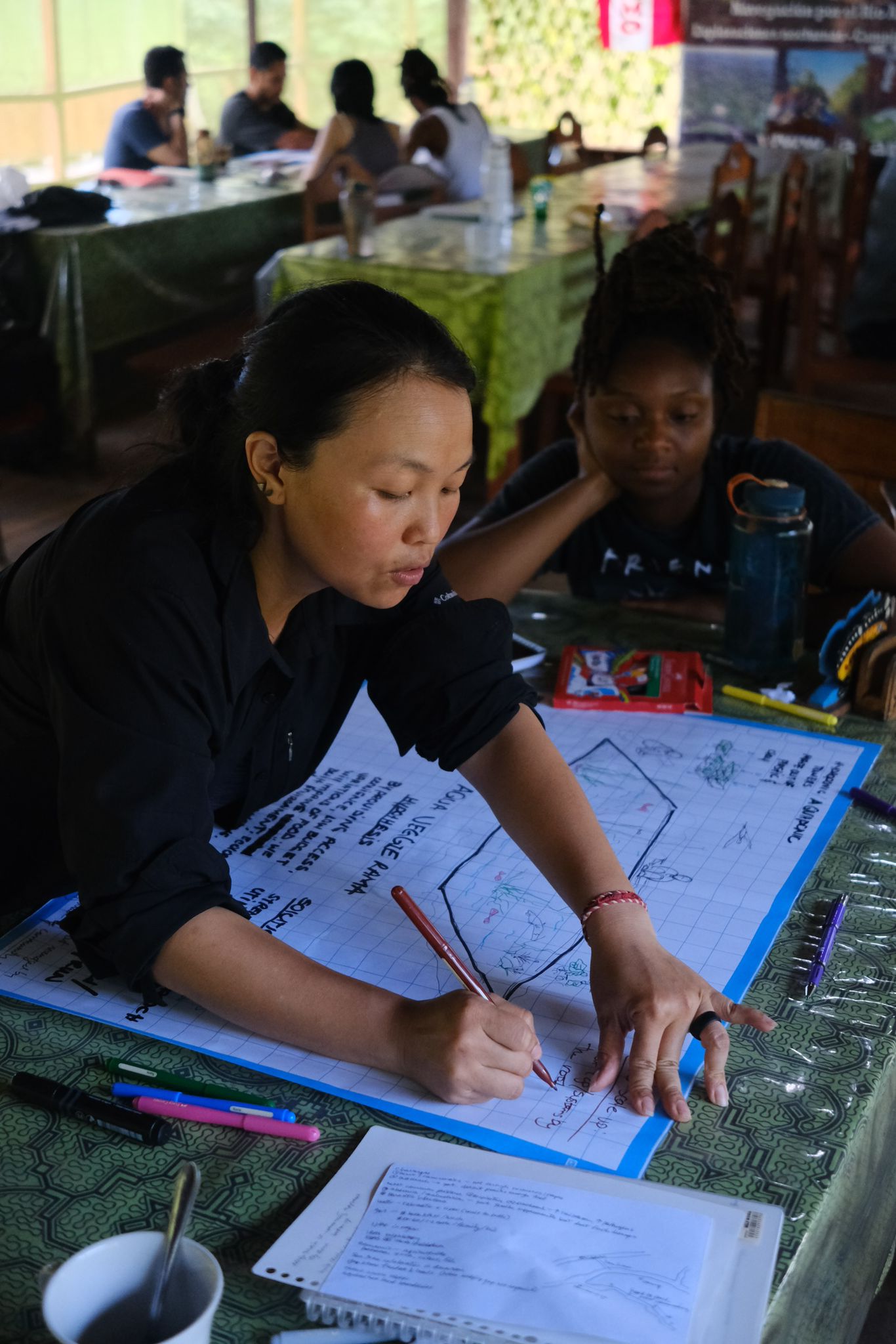
Photo Credit: Nhia Yerkes-Yang

Nhia Yerkes-Vang
DNP- Population Health & Leadership Student

Reason for going: “[To gain a] broader, global perspective of what health is. How different countries, cultures, and people define health care and wellbeing.”

Favorite part: “Being outside; being in the rainforest. That was just amazing. And then too, learning about all of the local plants and animals that are there, and utilizing those resources that exists within the rainforest.” “I really loved all of the activities that were planned.”

Recommendation: “Research the area. Learn a little bit of context before you go. Especially weather-wise, infrastructure-wise. Know a little bit, but also don’t make assumptions and make sure you pack light…[and] take the health recommendations seriously.”

“I wish I spoke Spanish… [The experience] could have been so much more rich…That was my biggest regret.”
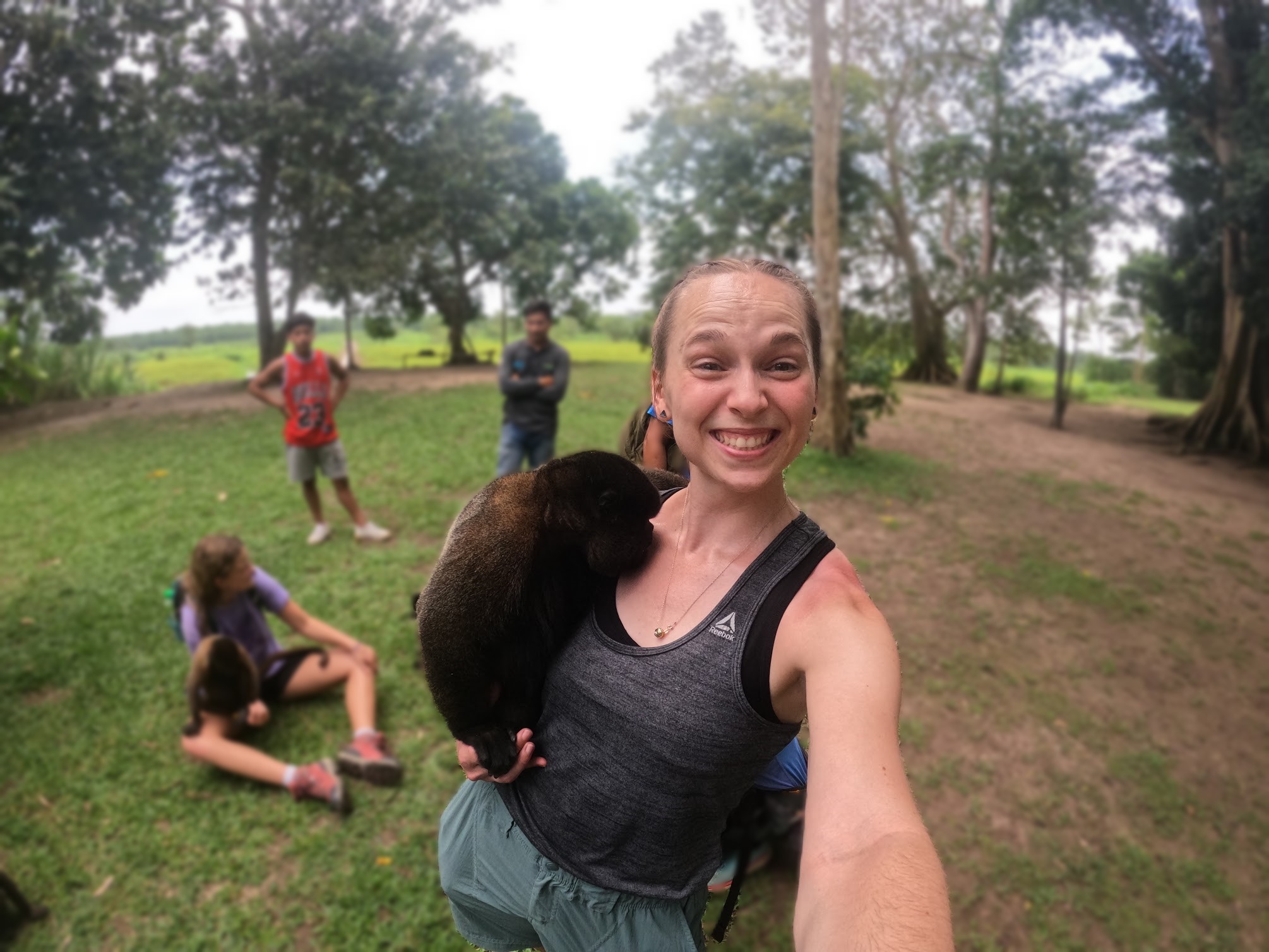
Photo Credit: Mollie Killion

Mollie Killion
DNP- Population Health & Leadership Student

Reason for going: “Learning about how other disciplines complement nursing for more holistic population-health interventions/ experience with interdisciplinary teams…I like to go on adventures and push myself to try new and difficult things!”

Favorite part: “So many! Seeing so many amazing animals (dolphins, monkeys, sloths are a few of my favorites) and learning about them and their home. Fishing for piranhas. Waking up to howler monkeys in the jungle. Sunrise and sunset canoe rides on the Amazon River- the most magical experience of my life!”

Recommendation: “Lots of packing recommendations: bug spray, mosquito head net, antibiotics and anti-diarrheal medicines, hydration tablets, mini rechargeable/battery operated fan. Go into it with an open mind and be ready for a big adventure! You will sweat more than you ever have before and be eaten alive by mosquitos and biting flies, but it is all part of the adventure and all worth it for the incredible experience! Talk with the local guides and biologists as much as you can- I learned so much from them!”
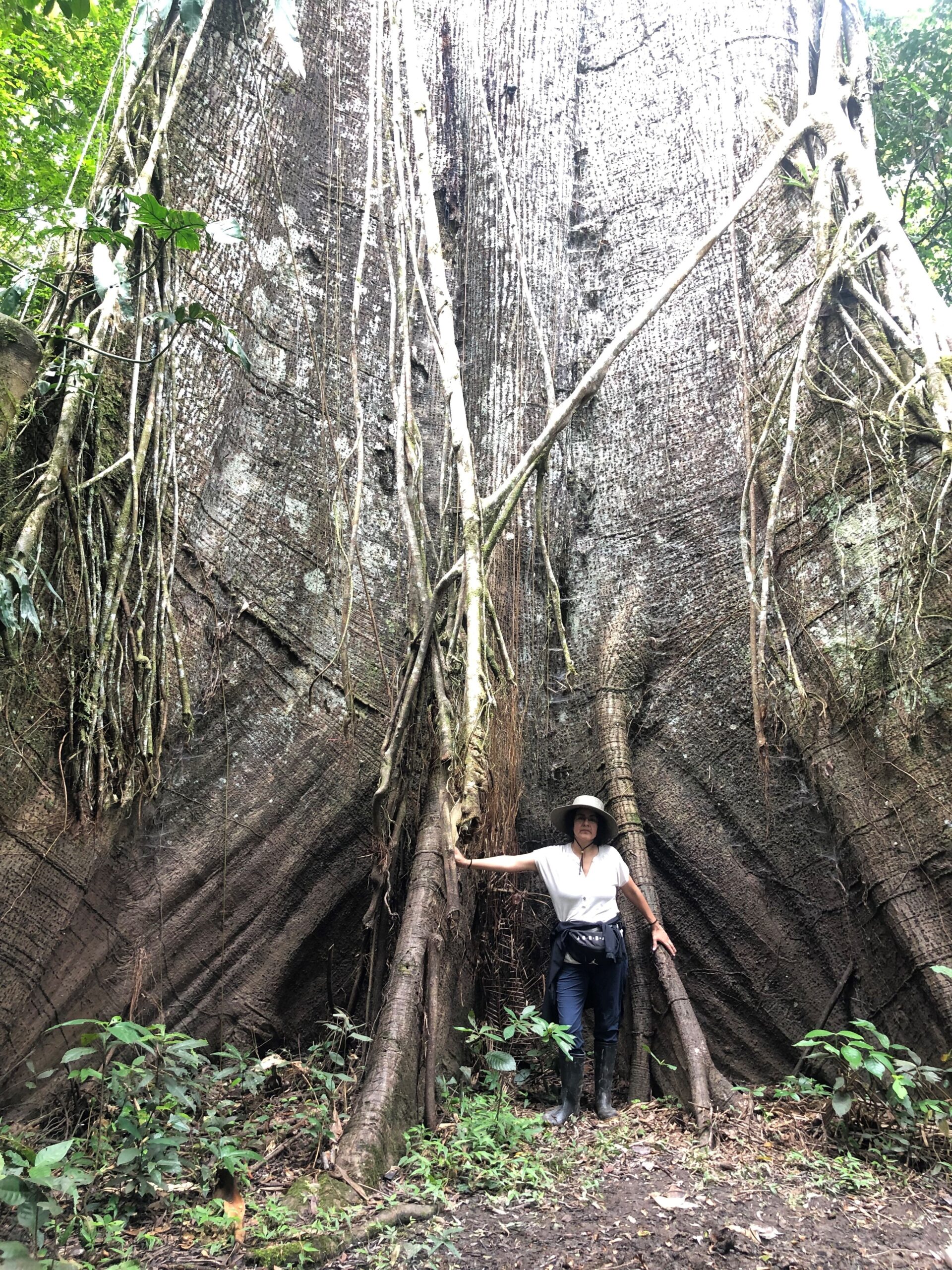
Photo Credit: Ronnie Tecsi

Ronnie Tecsi
DNP- Population Health & Leadership Student

Reason for going: “Explore a part of the world that I had not been before and learn from a multidisciplinary team.”

Favorite part: “Experiencing the jungle, the rivers, the animals and interacting with the local people.”

Recommendation: “Pack light. There is a laundry mat close by with next day service, sometimes sooner. Be mentally prepared for dry camping while in Pacaya Samiria – no running water, no electricity. You will be provided boots to wear for walking through the jungle. So, no need for heavy boots, just a good pair of walking shoes. A light air mattress is worth it.”

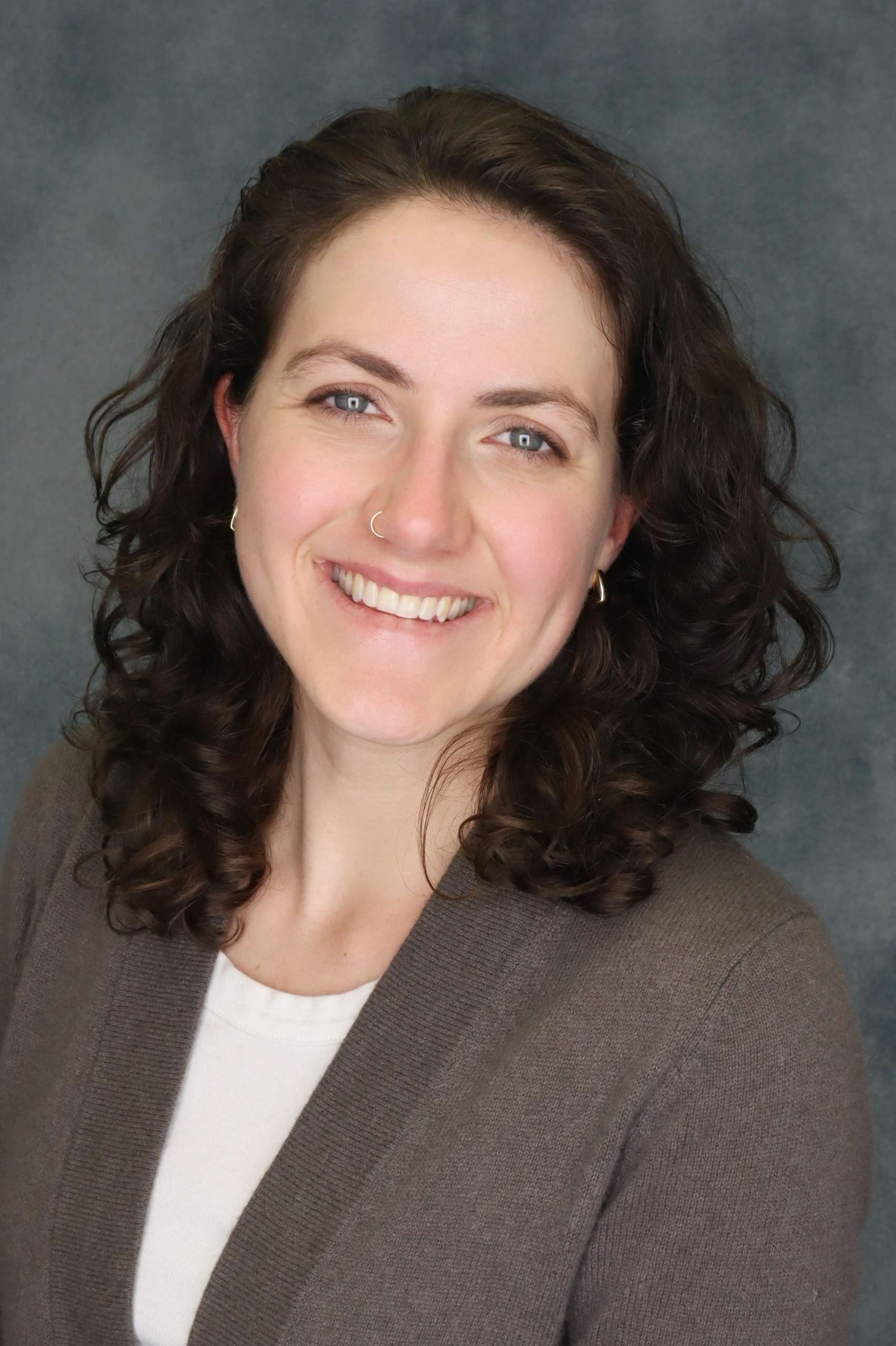
 

Faculty Spotlight: Dr. Kaboni Whitney Gondwe


Hometown: Malawi

Degrees: PhD in Nursing (2018), Doctoral Certificate in Global Health (2018), Master of Science in Nursing Education and Nursing Administration (2012), Certificate in Midwifery (2009), Bachelor of Science in Nursing (2007), Certificate in Global Health Nursing (2006)

Department: Child, Family, and Population Health Nursing

Research/Areas of Interest: Health equity, health disparities in maternal and infant outcomes, parent-child relationship, stress and perinatal inflammation, global health


Why did you choose nursing?

I wanted to be a nurse since I was young. I wrote an essay of wanting to be a nurse in 5th grade and in that essay I mentioned how I admired my aunt who was a nurse and nurses who took care of me when I had malaria while young. The white uniforms and nurses cap and their encouraging words and smiles made my younger self think nurses were angels who make you feel better. I would later lose my mother at 12 and this made want to save lives so other people get to spend more time with their loved ones. I later decided to pursue midwifery because I love working with babies and being in a space where I helped people with their reproductive goals and childbirth safely gives me joy.

What drew you to global health?

I am originally from Malawi, where health inequities and disparities exist especially in low-income settings. In the US, I also noted that social determinants of health continue to drive racial disparities in maternal and infant outcomes. My work seeks to improve the outcomes on vulnerable populations through interventions that are tailored for minority populations and address the barriers to accessing quality care and health promotion.

What is one unforgettable experience you have had that impacted your career trajectory (nursing or otherwise)?

One unforgettable experience in my life was when I was a nursing student. I was in a medical surgical unit where there was a patient who was critically ill and people were uncertain if they would survive. Resources were limited, the patient also had lost hope that they would survive, and they were alone because this was a referral facility far from their home. I thought to myself, even if they won’t survive at least, they should know people cared.  I discussed with my clinical instructor I requested that I be assigned that patient. The patient was poor and had no food and couldn’t get food for themselves. Food was not delivered at the bedside due to limited staffing, as such caregivers in Malawi assist with this or bring food from home. The Patient had no caregivers present. We worked tirelessly for 6 weeks, making sure the patient was eating and receiving quality care including emotional support. The patient greatly improved and regained their will to live. I still remember the smile on their face when they said to me “Thank you for not giving up on me, if it wasn’t for you, I would have died”. Their family members had finally found money for transportation to come and help and we all almost cried as they thanked me for just being there just to talk to the patient sometimes. The patient recovered and was eventually discharged. It is these experiences that drive my passion to be a nurse and later a midwife. This is why I value health as a whole (physical, mental, social, spiritual, and more) and the importance of being truly present for people who need us.

What projects are you working on right now?

Currently I am working on a study examining the relationship between social determinants of health and prenatal inflammation in Black women and exploring barriers and facilitators to access for perinatal services among Black women in the US.

What excites you about being part of the faculty at the School of Nursing?  

I am excited to be part of a team that strives to promote health equity and being among people who are passionate about making a difference locally and globally.

If you could be anything else (besides faculty at the SON of course), what would it be?

I would probably be a missionary nurse-midwife volunteering around the world or babysitting.

Student Spotlight – Michelle Shin

Michelle Shin in the Ayni Wasi office with Ollantaytambo's dog, Jack

Name: Michelle Shin
Hometown: Los Angeles
Degrees: MSN, MPH, PhD-c
Department: School of Nursing
Research/Areas of Interest: Cervical cancer prevention


How did you get here? Why nursing?

I studied international development studies at UCLA, which was then a new major that combined foundational classes in history, anthropology, economics, and sociology. I was interested in global health, and also needed a practical way of obtaining U.S. residency to stay near my family. This led me to obtain a Master of Science in Nursing from University of Virginia in clinical nurse leadership.

What drew you to the research you do?

I felt compelled to learn more about cervical cancer because it is such a blatant manifestation of health inequality. The fact that so many women who are the pillars of our society and families, most of them in low-resource settings both in the U.S. and the world, die everyday from this very preventable disease, resonated with me personally as a first generation immigrant, woman, and a mom, and professionally as a nurse working in marginalized communities.

What is one unforgettable experience you have had that impacted your career trajectory (nursing or otherwise)?

One time while I was working as a community coordinator in Sacred Valley Health in the Peruvian Andes, I stood up all night outside the Cusco hospital with an indigenous man who had a chronic, un-healing leg wound from flesh eating bacteria, only to be turned around with the same antibiotics that he could buy in his village 5 hours away, This experience made me want to study how to make systems work better in real lives of the people.


What projects are you working on right now? Or what’s next?

I will start a postdoc position at USC where I will be working for Dr. Jennifer Tsui focusing on increasing HPV vaccine uptake in federally qualified health centers in the LA and New Jersey area. I hope to continue working in global health in some capacity and gain more experience and expertise in implementation science, mixed methods, cancer care delivery and health equity.

If you could be anything else, besides a nurse, what would it be?

I think I would have liked to become a journalist. I love listening to people’s stories, and telling their stories to others.

Frontiers of Global Health: Exploring the Ethics of Phased COVID-19 Vaccine Distribution

On January 19, 2021, the Center for Global Health Nursing, with moderator and DNP Student Tyler Breier, hosted a panel of leaders engaged in the ethics of COVID-19 vaccine distribution. We welcomed four leaders from different disciplines to discuss the challenges and the ever evolving ethical discussions of vaccine distribution on a wide scale.

Panelists were Claudia Emerson, Director of the Institute on Ethics & Policy for Innovation and Associate Professor at McMaster University, Carina Fourie, Assistant Professor in the Philosophy Department at the University of Washington, Jax Hermer, Equity Officer on the Pierce County COVID-19 Response Team and Sarah Shannon, Dean and Professor at Montana State University College of Nursing.

Meet the Panelists Here

Additional resources referenced in the panel


Global Month 2020

Global Health Nursing: From Training to Practice
November 10, 2020

This year, as part of UW Global Month hosted by the Population Health Initiative, the Center for Global Health Nursing (CGHN) asked nurses in global health to share their experiences going from training to practice. Many students ask us what skills a nurse needs to succeed in global health or what a career in the field looks like as a global health nurse. This event gave nurses a chance to meet other nurses who have that experience. The Center for Global Health Nursing aims to achieve global health equity and knows the impact nurses have on reaching this goal through clinical care and policy work.

The event started with remarks from Sarah Gimbel, co-director of the CGHN and Associate Professor at the UW School of Nursing (SON). Then transitioned to a video in which the panelists introduced themselves and their work. (Meet our panel here!) This was followed by a Q&A session moderated by Jillian Pintye, consulting faculty for the CGHN and Assistant Professor at the UW SON. Also present were three organizations or programs that currently have positions in global or rural health. They each hosted breakout sessions to provide more information about their programs and discuss ways to prepare your skill set for global health work.

In all, the afternoon was very informative and inspiring as the nurse panelists shared their enthusiasm for health equity globally and locally.  Thank you to our nurse panelists: Krysta Byrnes, Elizabeth Karman, Kiesha Garcia-Stubbs, and Oneda Harris. Also, thank you to the organizations that provided information about their programs: UW Peace Corps, SEED Global Health and the UW Global Rural Health Fellowship for FNPs.

If you missed it, watch the panel event here!

Resources

US Peace Corps
SEED Global Health
UW Global Rural Health Fellowship for FNPs

Faculty Spotlight: Sarah Iribarren

Name: Sarah Iribarren

Hometown: Basin City, Washington

Degrees: BS Biology, Spanish, BSN, PhD, Certificate in Global Health

Department: Biobehavioral Nursing and Health Informatics

Research/Areas of Interest: Treatment support, infectious disease self-management (with a particular focus on tuberculosis), mobile health/telehealth, informatics


How did you get here? Why nursing?

Growing up in a rural setting with not a lot of opportunities to travel or see the world I sought out a study abroad program when I was an undergraduate. I spent a year in Ecuador in a program focused on environmental and health issues of Latin America. It was a life changing experience. It was my first time to be out of the US and I lived with a family with whom I am still in contact with today. At the end of the program I volunteered at a community clinic and local hospital in rural Ecuador for 3 months. I was struck by how versatile the nurses in the community clinic were as they lead outreach immunization campaigns, well-checks, managed wound care, and monitored births along with the primary care physicians who were from the community and had studied medicine in Cuba. It seemed to me that nursing could open doors for a broad range of ways to support health and prevent or manage diseases.


What drew you to global health work?

Working as the health coordinator at a Migrant Head Start and the experience mentioned above lead me to return to school for a nursing degree. As a nursing student I had informative experiences such as volunteering with a Shriner’s team to evaluate children in need of surgery in Mexico and observing midwives in a natural birthing clinic in Arizona. I was honored to serve veterans and thoroughly admired and loved working with the great team of colleagues in the medical ICU unit where I worked for nearly ten years. However, I knew I wanted to continue my education and had an interest in global health. Returning to school as a doctoral student I went with a long-standing community-based participatory research team to Ghana for a month and assisted local teams on various project they had outlined. Because of my continued interest in global health and research I applied for a NIH Fogarty program and was the second nurse to be selected as a Fogarty scholar. As a Fogarty scholar I worked at a research institute for a year in Argentina which is where I helped lead a qualitative study to understand barriers and facilitators to successfully completing active tuberculosis treatment within the public healthcare system in a high tuberculosis burden region. This experience really set my course for the research I continue today and the teams with whom I continue to work. Tuberculosis continues to be one of the top ten causes of death globally and is the leading cause of death due to an infectious disease despite it being largely curable.


What is one unforgettable experience you have had that impacted your career trajectory (nursing or otherwise)?

Volunteering at the community health center created by women from the community who studied medicine in Cuba and returned to establish the ‘House of Health’ as translated from Quichua was my most impactful experience. They included a dentist, a traditional midwife and traditional healer within the center to ensure they met the needs of their community by providing traditional and modern medicine and wholistic care. They were trusted and continually did outreach to more remote areas. It was very inspiring.


What projects are you working on right now?

I am very fortunate to have the opportunity to work with a great team of students, research scientists, and faculty from Nursing, Bioengineering, Human-Centered Design and Engineering, and more recently from Materials Science and Engineering. We are working to develop tools to support individuals with active tuberculosis successfully complete their treatment and equipping teams with interactive mobile tools to monitor and provide support to their patients. We have developed and continue to refine user-centered mobile applications for patients and health teams that is accompanied by a reengineered direct drug metabolite test.


What excites you about being part of the faculty at the SON and specifically the CGHN?  

The opportunities to work with great students and teams and establish new collaborations to work towards addressing some of todays challenges. We have a long way to go to increase opportunities for all to live a healthier life. The CGHN is critical to help build the capacity for all with interest to work towards achieving health equity and expand opportunities to contribute to local and global health.

If you could be anything else (besides faculty at the SON of course), what would it be?

Wildlife or nature photographer. I love to adventure outdoors and enjoy watching for wildlife. Recently hiking in high elevations in Colorado we saw elk, moose, deer, a bear, a pack of coyotes, marmots, and many birds within a few hours. It is humbling and feels good to regain perspective


Letter from the Directors

Dear UW Nursing Students & Faculty,

Picture of Healthcare Workers March

Thank you all for a memorable academic year. This year took many unexpected turns. The COVID19 pandemic  has highlighted our resilience as a school and community. It has also demonstrated the stark inequities in our community, in our region and country, as well as around the world, specifically for Black, Indigenous, and People of Color (BIPOC). Much work needs to be done to ensure we all continue to grow in our learning, as nurses, as supporters of nurses and as individuals and communities, and that we change our status quo which is so unfair to so many, and build a more just society for all. Now more than ever, our role as advocates for nursing in global health is crucial. Nurses are working on the frontline of the COVID19 response in every country, within hospitals and in communities. We are in a unique position to bridge the gap between the community and health care services, and promote solidarity amongst all health disciplines who work towards equity in life and health.

While summer study abroad experiences are currently on hold for now, there are a number of ways to engage this summer in the greater Seattle area, both with Seattle King County Public Health and other local agencies. Many of these opportunities are remote while others require some in-person interaction.

For BSN and ABSN students who do not yet hold a RN license please consider registering with Community Health Volunteers a site which helps link public health agencies with customer care/service, data gathering and entry and analysis, language skills, and much more. Volunteer assignments may vary in scope, location, time and length of commitment. Again, current healthcare license or medical background is not required to volunteer. Email doh-volunteer@doh.wa.gov for more information or visit the Washington State Emergency Registry of Volunteers (WaServ) website to register and indicate your interest.

For licensed providers please see the following link for COVID19 specific opportunities.

For students, while you are planning your activities for the upcoming 2020-21 academic year, keep in mind that there are a variety of ways you can become involved in the greater UW global health community. The UW offers a variety of graduate certificate programs that actively encourage nurses through the Department of Global Health and the Population Health Initiative. In Winter 2021, the Global Health Nursing course (NURS581), which examines critical global health issues through an applied healthcare lens, will be offered again.  The CGHN will continue to organize Brown Bag Seminars that highlight research and projects happening by nurses (including faculty, students and nurse leaders in the community). The best way to stay connected with CGHN opportunities are to sign up for our listserv.

The Center for Global Health Nursing will be available all summer to help you with realizing your goals in global health. Please feel free to contact us at cghn@uw.edu.

Sincerely,

Pamela Kohler & Sarah Gimbel

Center for Global Health Nursing Directors Pam Kohler & Sarah Gimbel


Graduate Certificate in International Humanitarian Response

The Population Health Initiative is accepting applications for the Graduate Certificate in International Humanitarian Response program. The certificate is intended to provide University of Washington graduate and professional students from a variety of disciplines with an integrated body of study to better support prevention, mitigation, response and recovery from crises to assist those affected by disasters. The 15-credit curriculum for the certificate offers admitted students a solid grounding in the fundamental skill sets needed by international humanitarian workers and is offered as an interdisciplinary program through the University of Washington Graduate School.

We encourage all nursing students interested in disaster and emergency response to apply!

Applications for this graduate certificate due April 28, 2020.

To learn more, please visit the Population Health Initiative’s website below or contact us with any questions you may have.


Student Profile: Julie Skene

Photo of Julie Skene

Julie Skene is the first nurse to enroll in the DNP- Population Health Nursing & Global Health MPH Concurrent Degree Program (learn more here!) The Center for Global Health Nursing asked Julie a few questions about her passion for nursing and why she decided to pursue this concurrent degree program.

Why did you choose nursing?


I chose nursing because I want a career that involves both helping others and promoting health. Also, there are so many different types of opportunities for nurses, I knew nursing would be a profession in which I could continually grow throughout my career. For example, when I switched from hospital-based nursing to school nursing, my focus changed to improving the health of the whole community. I developed a better understanding of the importance of population health and influencing change at a systems level which prompted my decision to return to school and learn more about global health nursing. 


What has been an unforgettable experience during your time at the School of Nursing?


My DNP practicum at the Chinese Information and Service Center (CISC) for the past year has been unforgettable. Through this experience I have strengthened my cross-cultural nursing skills, learned how to effectively support immigrants and refugees in Seattle, and developed valuable relationships with the amazing staff at CISC. I will never forget how kind and welcoming everyone in the organization has been and how dedicated my CISC colleagues are to the vulnerable populations they serve. 


How has your experience at nursing helped you with your career trajectory?  


My experience has helped with my career trajectory by improving my leadership skills, self-confidence, and professional connections. Through mentorship from inspiring professors, gaining practical experience in the field, and taking a variety of classes, I feel prepared to take my career to the next level. Population Health DNP skills are a valuable resource to all types of organizations, and I am looking forward to finding a position that allows me to use my nursing perspective to work towards improving health globally. 


Why did you decide to pursue a dual degree in Population Health Nursing and Public Health?


I decided to pursue a dual degree because of my strong interest in both nursing and global health. As a school nurse, I enjoyed working with a diverse community of immigrant and refugee families, and I hoped to learn more about how to effectively support these vulnerable populations. Additionally, I wanted to understand how population health-systems can be bolstered globally to make significant, positive impacts on health. 


I knew that pursuing the Global Health MPH degree would strengthen my data analysis skills and result in a more in-depth understanding of global health concerns. While the DNP-PHN program would build upon my nursing knowledge and enhance my leadership and management skills. Together, these two programs support my goal of finding ways to increase access to care for marginalized communities and improve social determinants of health for vulnerable populations.


Can you define the difference between the two programs and how then talk about how they complement each other?

The DNP and MPH degrees complement each other by providing the student with a variety of experiences and perspectives with regards to population health both locally and globally.  As part of the DNP program, I work closely with nursing colleagues to build on our prior experiences and learn how to apply knowledge at a systems-level.

The global health MPH program involves joining a larger cohort of students from all over the world.  We are from a variety of disciplines, so the MPH is beneficial for nurses that seek to broaden their perspective and work with colleagues from other departments.  The MPH program provides a deeper understanding of the history of global responses to health and the political determinants of health.  There are also additional opportunities for practical experience through a practicum and thesis.  I am working at the Department of Health this summer, completing a landscape analysis for the Early Hearing Detection, Diagnosis, and Intervention program.


How do you balance the two programs? 

I’ve balanced the two programs by taking as many global health electives as possible during my first two years of the DNP program.  During my third year,  I completed my DNP practicum along with the MPH required classes.  I will be here for a fourth year to complete the DNP Capstone Project and MPH thesis.


We know that as a part of the MPH Program, you participated in the Student Epidemic Action Leaders (SEAL) Team. Can you talk a little bit about your experience with the SEAL team?

As a member of the SEAL team, I am learning about applied epidemiology through in-person classes, at-home training, and field assignments at the Department of Health.  As a SEAL, I have learned about the Incident Command System, contact tracing, cohort studies, and disease surveillance.   I also completed an assignment working in a specimen accessioning and processing lab.