Skip to content

Go Global 2026 – Friday, March 13th

Join us for our annual in-person celebration with a light lunch as faculty, alums, and students share work advancing global healthy equity.

This yyear’sprogram explores rural healthcare disparities and community-centered approaches from Washington and abroad. There will also be a United Nations Update, doctoral lightning talks, and poster presentations from Global Health Nursing Certificate students and study abroad scholarship recipients.

Date: March 13, 2026
Time: 11 am – 1 pm
Location: Health Sciences Education Building Room 101
Register Here!

Meet our Presenters

Sarah Shannon, PhD, RN, FAAN

Dr. Shannon is a nationally recognized nursing leader, clinical ethicist, and scholar whose career spans more than three decades across major academic and healthcare institutions in the western United States. Since 2017, she has served as dean of the Montana State University Mark and Robyn Jones College of Nursing, bringing to the role her deep expertise in ethics, communication, and interprofessional collaboration. Before joining MSU, she held senior academic leadership at Oregon Health & Science University and spent more than 20 years on the faculty of the University of Washington School of Nursing, where she also held an adjunct appointment in the School of Medicine’sDepartment of Bioethics and Humanities. Her clinical background includes work as a critical care and medical–surgical nurse in Seattle and Juneau, as well as extensive service as a clinical ethics consultant for multiple healthcare organizations.

Sarah Shannon’s research focuses on improving communication around ethically challenging issues in healthcare, including end‑of‑life decision‑making in intensive care, error disclosure, and interprofessional conflict. She has been an investigator on numerous NIH and AHRQ‑funded studies and has taught clinical and professional ethics for more than two decades. A frequent speaker and long‑time member of institutional ethics committees, she is widely regarded for her contributions to advancing ethical practice and communication in complex clinical environments.


Daniel Suárez- Baquero

Dr. Suárez- Baquero is originally from Colombia, where he earned my MSN and BSN from the Universidad Nacional de Colombia, focusing on Maternal and Perinatal Nursing Care. His expertise includes roles as a labor and birth nurse, nurse midwife, and nurse administrator. He obtained his Ph.D. in Nursing from The University of Texas at Austin, where he studied Colombian Partería Tradicional (lay midwifery).

He completed a postdoctoral fellowship in the ACTIONS program at the University of California, San Francisco, with a focus on reproductive justice as the primary approach to reproductive health services provision. Since his undergraduate studies, he has developed a deep passion for qualitative research methods, particularly in maternity and perinatal health, reproductive justice, Latine reproductive health experiences, and the community/cultural memory of ethnic-minoritized women. He utilizes advanced qualitative methods to elevate the voices of minoritized communities that have been overlooked, aiming to promote health, birth equity, and reproductive justice globally.


Marin Strong, PhDc
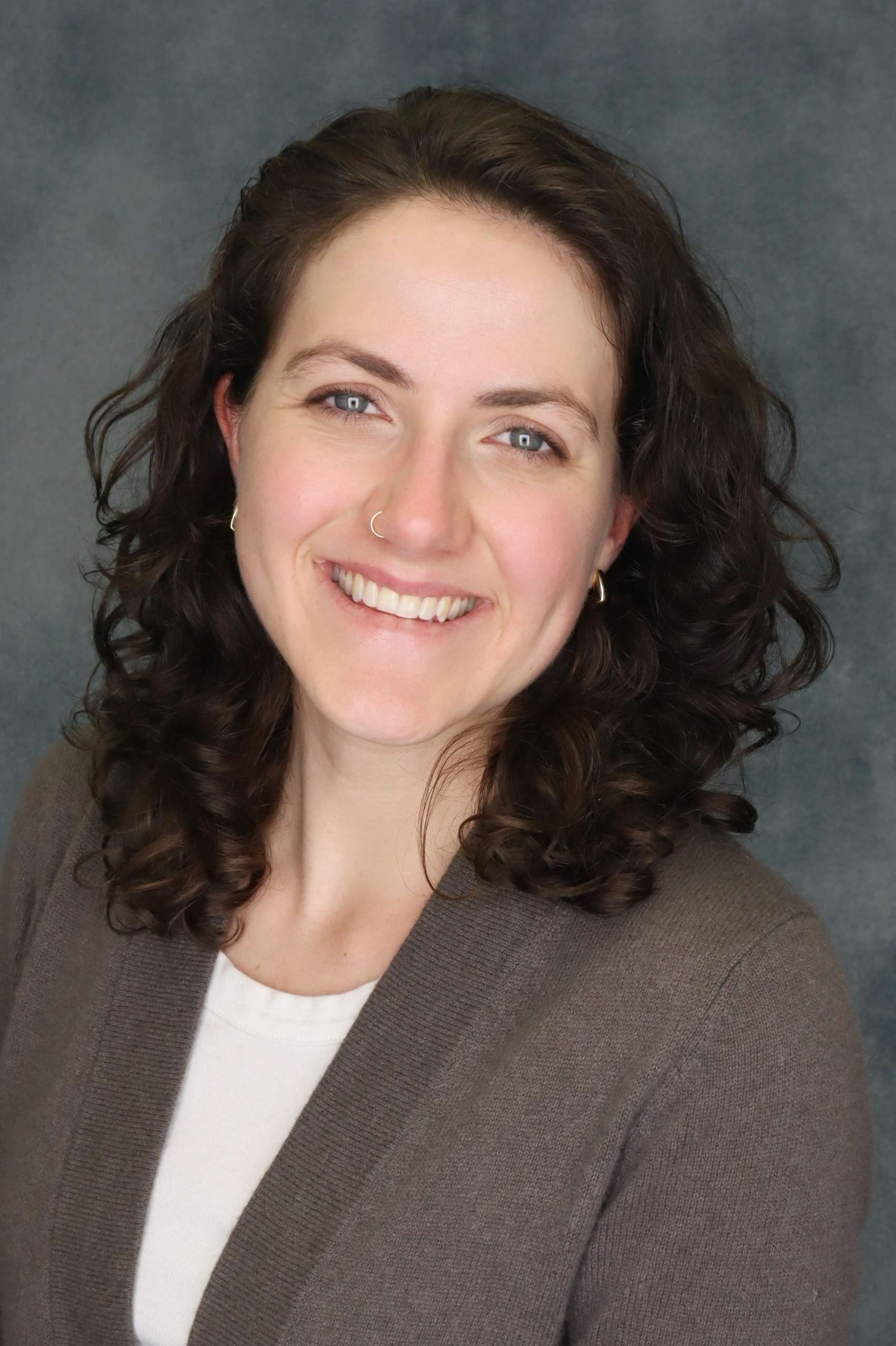
Marin is a community health nurse, a PhD candidate in the School of Nursing, and an MPH Epidemiology student at UW. She has worked clinically in Alaska, Texas, and Washington in indigenous health, the COVID-19 response, and primary health care at a federally qualified health center. Marin’s dissertation research seeks to understand better how the dynamics between pregnant women and their male partners impact women’s HIV and STI prevalence, and men’s engagement with partner treatment in Western Kenya. Marin’s other research includes a feminist analysis of community perspectives of pregnant women’s PrEP use and an implementation study of mobile van and street-based delivery of medication for opioid use disorder in King County, Washington. Recently, Marin has joined Sigma’s United Nations team as a Youth Representative.


Jay Ward, RN
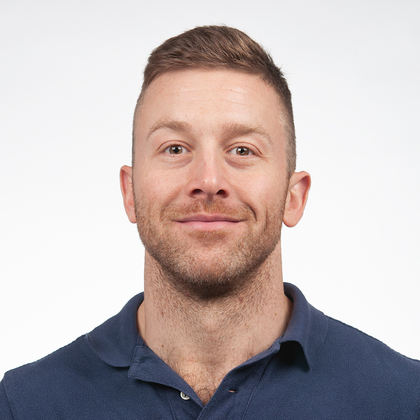
Jay is currently a second-year Doctor of Nursing Practice student in the Family Nurse Practitioner track at the University of Washington, where he has completed graduate certificates in Global Health Nursing and Palliative Care. He earned his Master of Science in Nursing from Columbia University and holds a Bachelor of Science in Biology from the University of Virginia. He currently practices as a Registered Nurse in the Pediatric ICU at Seattle Children’s Prior to transitioning to nursing, Jay spent fourteen years at PATH, a global health nonprofit organization, in Seattle, Geneva, and Washington, D.C., focusing on projects in vaccine development and access, maternal and child health, and health systems strengthening.


Faculty Spotlight: Dr. Kaboni Whitney Gondwe


Hometown: Malawi

Degrees: PhD in Nursing (2018), Doctoral Certificate in Global Health (2018), Master of Science in Nursing Education and Nursing Administration (2012), Certificate in Midwifery (2009), Bachelor of Science in Nursing (2007), Certificate in Global Health Nursing (2006)

Department: Child, Family, and Population Health Nursing

Research/Areas of Interest: Health equity, health disparities in maternal and infant outcomes, parent-child relationship, stress and perinatal inflammation, global health


Why did you choose nursing?

I wanted to be a nurse since I was young. I wrote an essay of wanting to be a nurse in 5th grade and in that essay I mentioned how I admired my aunt who was a nurse and nurses who took care of me when I had malaria while young. The white uniforms and nurses cap and their encouraging words and smiles made my younger self think nurses were angels who make you feel better. I would later lose my mother at 12 and this made want to save lives so other people get to spend more time with their loved ones. I later decided to pursue midwifery because I love working with babies and being in a space where I helped people with their reproductive goals and childbirth safely gives me joy.

What drew you to global health?

I am originally from Malawi, where health inequities and disparities exist especially in low-income settings. In the US, I also noted that social determinants of health continue to drive racial disparities in maternal and infant outcomes. My work seeks to improve the outcomes on vulnerable populations through interventions that are tailored for minority populations and address the barriers to accessing quality care and health promotion.

What is one unforgettable experience you have had that impacted your career trajectory (nursing or otherwise)?

One unforgettable experience in my life was when I was a nursing student. I was in a medical surgical unit where there was a patient who was critically ill and people were uncertain if they would survive. Resources were limited, the patient also had lost hope that they would survive, and they were alone because this was a referral facility far from their home. I thought to myself, even if they won’t survive at least, they should know people cared.  I discussed with my clinical instructor I requested that I be assigned that patient. The patient was poor and had no food and couldn’t get food for themselves. Food was not delivered at the bedside due to limited staffing, as such caregivers in Malawi assist with this or bring food from home. The Patient had no caregivers present. We worked tirelessly for 6 weeks, making sure the patient was eating and receiving quality care including emotional support. The patient greatly improved and regained their will to live. I still remember the smile on their face when they said to me “Thank you for not giving up on me, if it wasn’t for you, I would have died”. Their family members had finally found money for transportation to come and help and we all almost cried as they thanked me for just being there just to talk to the patient sometimes. The patient recovered and was eventually discharged. It is these experiences that drive my passion to be a nurse and later a midwife. This is why I value health as a whole (physical, mental, social, spiritual, and more) and the importance of being truly present for people who need us.

What projects are you working on right now?

Currently I am working on a study examining the relationship between social determinants of health and prenatal inflammation in Black women and exploring barriers and facilitators to access for perinatal services among Black women in the US.

What excites you about being part of the faculty at the School of Nursing?  

I am excited to be part of a team that strives to promote health equity and being among people who are passionate about making a difference locally and globally.

If you could be anything else (besides faculty at the SON of course), what would it be?

I would probably be a missionary nurse-midwife volunteering around the world or babysitting.

Student Spotlight – Michelle Shin

Michelle Shin in the Ayni Wasi office with Ollantaytambo's dog, Jack

Name: Michelle Shin
Hometown: Los Angeles
Degrees: MSN, MPH, PhD-c
Department: School of Nursing
Research/Areas of Interest: Cervical cancer prevention


How did you get here? Why nursing?

I studied international development studies at UCLA, which was then a new major that combined foundational classes in history, anthropology, economics, and sociology. I was interested in global health, and also needed a practical way of obtaining U.S. residency to stay near my family. This led me to obtain a Master of Science in Nursing from University of Virginia in clinical nurse leadership.

What drew you to the research you do?

I felt compelled to learn more about cervical cancer because it is such a blatant manifestation of health inequality. The fact that so many women who are the pillars of our society and families, most of them in low-resource settings both in the U.S. and the world, die everyday from this very preventable disease, resonated with me personally as a first generation immigrant, woman, and a mom, and professionally as a nurse working in marginalized communities.

What is one unforgettable experience you have had that impacted your career trajectory (nursing or otherwise)?

One time while I was working as a community coordinator in Sacred Valley Health in the Peruvian Andes, I stood up all night outside the Cusco hospital with an indigenous man who had a chronic, un-healing leg wound from flesh eating bacteria, only to be turned around with the same antibiotics that he could buy in his village 5 hours away, This experience made me want to study how to make systems work better in real lives of the people.


What projects are you working on right now? Or what’s next?

I will start a postdoc position at USC where I will be working for Dr. Jennifer Tsui focusing on increasing HPV vaccine uptake in federally qualified health centers in the LA and New Jersey area. I hope to continue working in global health in some capacity and gain more experience and expertise in implementation science, mixed methods, cancer care delivery and health equity.

If you could be anything else, besides a nurse, what would it be?

I think I would have liked to become a journalist. I love listening to people’s stories, and telling their stories to others.

Frontiers of Global Health: Exploring the Ethics of Phased COVID-19 Vaccine Distribution

On January 19, 2021, the Center for Global Health Nursing, with moderator and DNP Student Tyler Breier, hosted a panel of leaders engaged in the ethics of COVID-19 vaccine distribution. We welcomed four leaders from different disciplines to discuss the challenges and the ever evolving ethical discussions of vaccine distribution on a wide scale.

Panelists were Claudia Emerson, Director of the Institute on Ethics & Policy for Innovation and Associate Professor at McMaster University, Carina Fourie, Assistant Professor in the Philosophy Department at the University of Washington, Jax Hermer, Equity Officer on the Pierce County COVID-19 Response Team and Sarah Shannon, Dean and Professor at Montana State University College of Nursing.

Meet the Panelists Here

Additional resources referenced in the panel


New Undergraduate Disaster Management, Risk Reduction, and Health Course

This Spring, the UW School of Nursing will be offering a new undergraduate course designed for all pre-health  NURS 215: Disaster Management, Risk Reduction, and Health. Disasters affect the health of individuals and populations locally and globally. As the current COVID 19 pandemic has highlighted, nurses and health care workers are integral to the critical first response and the subsequent care of those most affected as recovery efforts are underway. When disasters occur, the health care physical infrastructure may often badly damaged, but as health care providers, how do you ensure the health of an entire population before, during and after a disaster?

The course will cover:

  • How disasters affect the health of individuals and populations
  • Common health problems associated with disasters and the health care provider’s role during disasters
  • Other topics including: natural hazards, responses to disasters, communicable and non-communicable disease management, water, sanitation, and hygiene (WASH), nutrition, policy, and personal and community preparedness.

Classes will take place on Mondays/Wednesdays, 4:30 – 6:20 PM and Fridays, 3 – 3:50 PM. 

To register, use SLN 17839 or through this link. 


The Center for Global Health Nursing recognizes the nurse’s critical role to lead disaster response and continues to partner with other disciplines and other countries to build capacity to respond effectively to disasters. Disaster response and emergency preparedness is one of the main research pillars of the Center and we look forward to giving undergraduate students an opportunity to learn about emergency preparedness and disaster response.


Global Month 2020

Global Health Nursing: From Training to Practice
November 10, 2020

This year, as part of UW Global Month hosted by the Population Health Initiative, the Center for Global Health Nursing (CGHN) asked nurses in global health to share their experiences going from training to practice. Many students ask us what skills a nurse needs to succeed in global health or what a career in the field looks like as a global health nurse. This event gave nurses a chance to meet other nurses who have that experience. The Center for Global Health Nursing aims to achieve global health equity and knows the impact nurses have on reaching this goal through clinical care and policy work.

The event started with remarks from Sarah Gimbel, co-director of the CGHN and Associate Professor at the UW School of Nursing (SON). Then transitioned to a video in which the panelists introduced themselves and their work. (Meet our panel here!) This was followed by a Q&A session moderated by Jillian Pintye, consulting faculty for the CGHN and Assistant Professor at the UW SON. Also present were three organizations or programs that currently have positions in global or rural health. They each hosted breakout sessions to provide more information about their programs and discuss ways to prepare your skill set for global health work.

In all, the afternoon was very informative and inspiring as the nurse panelists shared their enthusiasm for health equity globally and locally.  Thank you to our nurse panelists: Krysta Byrnes, Elizabeth Karman, Kiesha Garcia-Stubbs, and Oneda Harris. Also, thank you to the organizations that provided information about their programs: UW Peace Corps, SEED Global Health and the UW Global Rural Health Fellowship for FNPs.

If you missed it, watch the panel event here!

Resources

US Peace Corps
SEED Global Health
UW Global Rural Health Fellowship for FNPs

Faculty Spotlight: Sarah Iribarren

Name: Sarah Iribarren

Hometown: Basin City, Washington

Degrees: BS Biology, Spanish, BSN, PhD, Certificate in Global Health

Department: Biobehavioral Nursing and Health Informatics

Research/Areas of Interest: Treatment support, infectious disease self-management (with a particular focus on tuberculosis), mobile health/telehealth, informatics


How did you get here? Why nursing?

Growing up in a rural setting with not a lot of opportunities to travel or see the world I sought out a study abroad program when I was an undergraduate. I spent a year in Ecuador in a program focused on environmental and health issues of Latin America. It was a life changing experience. It was my first time to be out of the US and I lived with a family with whom I am still in contact with today. At the end of the program I volunteered at a community clinic and local hospital in rural Ecuador for 3 months. I was struck by how versatile the nurses in the community clinic were as they lead outreach immunization campaigns, well-checks, managed wound care, and monitored births along with the primary care physicians who were from the community and had studied medicine in Cuba. It seemed to me that nursing could open doors for a broad range of ways to support health and prevent or manage diseases.


What drew you to global health work?

Working as the health coordinator at a Migrant Head Start and the experience mentioned above lead me to return to school for a nursing degree. As a nursing student I had informative experiences such as volunteering with a Shriner’s team to evaluate children in need of surgery in Mexico and observing midwives in a natural birthing clinic in Arizona. I was honored to serve veterans and thoroughly admired and loved working with the great team of colleagues in the medical ICU unit where I worked for nearly ten years. However, I knew I wanted to continue my education and had an interest in global health. Returning to school as a doctoral student I went with a long-standing community-based participatory research team to Ghana for a month and assisted local teams on various project they had outlined. Because of my continued interest in global health and research I applied for a NIH Fogarty program and was the second nurse to be selected as a Fogarty scholar. As a Fogarty scholar I worked at a research institute for a year in Argentina which is where I helped lead a qualitative study to understand barriers and facilitators to successfully completing active tuberculosis treatment within the public healthcare system in a high tuberculosis burden region. This experience really set my course for the research I continue today and the teams with whom I continue to work. Tuberculosis continues to be one of the top ten causes of death globally and is the leading cause of death due to an infectious disease despite it being largely curable.


What is one unforgettable experience you have had that impacted your career trajectory (nursing or otherwise)?

Volunteering at the community health center created by women from the community who studied medicine in Cuba and returned to establish the ‘House of Health’ as translated from Quichua was my most impactful experience. They included a dentist, a traditional midwife and traditional healer within the center to ensure they met the needs of their community by providing traditional and modern medicine and wholistic care. They were trusted and continually did outreach to more remote areas. It was very inspiring.


What projects are you working on right now?

I am very fortunate to have the opportunity to work with a great team of students, research scientists, and faculty from Nursing, Bioengineering, Human-Centered Design and Engineering, and more recently from Materials Science and Engineering. We are working to develop tools to support individuals with active tuberculosis successfully complete their treatment and equipping teams with interactive mobile tools to monitor and provide support to their patients. We have developed and continue to refine user-centered mobile applications for patients and health teams that is accompanied by a reengineered direct drug metabolite test.


What excites you about being part of the faculty at the SON and specifically the CGHN?  

The opportunities to work with great students and teams and establish new collaborations to work towards addressing some of todays challenges. We have a long way to go to increase opportunities for all to live a healthier life. The CGHN is critical to help build the capacity for all with interest to work towards achieving health equity and expand opportunities to contribute to local and global health.

If you could be anything else (besides faculty at the SON of course), what would it be?

Wildlife or nature photographer. I love to adventure outdoors and enjoy watching for wildlife. Recently hiking in high elevations in Colorado we saw elk, moose, deer, a bear, a pack of coyotes, marmots, and many birds within a few hours. It is humbling and feels good to regain perspective


Letter from the Directors

Dear UW Nursing Students & Faculty,

Picture of Healthcare Workers March

Thank you all for a memorable academic year. This year took many unexpected turns. The COVID19 pandemic  has highlighted our resilience as a school and community. It has also demonstrated the stark inequities in our community, in our region and country, as well as around the world, specifically for Black, Indigenous, and People of Color (BIPOC). Much work needs to be done to ensure we all continue to grow in our learning, as nurses, as supporters of nurses and as individuals and communities, and that we change our status quo which is so unfair to so many, and build a more just society for all. Now more than ever, our role as advocates for nursing in global health is crucial. Nurses are working on the frontline of the COVID19 response in every country, within hospitals and in communities. We are in a unique position to bridge the gap between the community and health care services, and promote solidarity amongst all health disciplines who work towards equity in life and health.

While summer study abroad experiences are currently on hold for now, there are a number of ways to engage this summer in the greater Seattle area, both with Seattle King County Public Health and other local agencies. Many of these opportunities are remote while others require some in-person interaction.

For BSN and ABSN students who do not yet hold a RN license please consider registering with Community Health Volunteers a site which helps link public health agencies with customer care/service, data gathering and entry and analysis, language skills, and much more. Volunteer assignments may vary in scope, location, time and length of commitment. Again, current healthcare license or medical background is not required to volunteer. Email doh-volunteer@doh.wa.gov for more information or visit the Washington State Emergency Registry of Volunteers (WaServ) website to register and indicate your interest.

For licensed providers please see the following link for COVID19 specific opportunities.

For students, while you are planning your activities for the upcoming 2020-21 academic year, keep in mind that there are a variety of ways you can become involved in the greater UW global health community. The UW offers a variety of graduate certificate programs that actively encourage nurses through the Department of Global Health and the Population Health Initiative. In Winter 2021, the Global Health Nursing course (NURS581), which examines critical global health issues through an applied healthcare lens, will be offered again.  The CGHN will continue to organize Brown Bag Seminars that highlight research and projects happening by nurses (including faculty, students and nurse leaders in the community). The best way to stay connected with CGHN opportunities are to sign up for our listserv.

The Center for Global Health Nursing will be available all summer to help you with realizing your goals in global health. Please feel free to contact us at cghn@uw.edu.

Sincerely,

Pamela Kohler & Sarah Gimbel

Center for Global Health Nursing Directors Pam Kohler & Sarah Gimbel


Student Profile: Julie Skene

Photo of Julie Skene

Julie Skene is the first nurse to enroll in the DNP- Population Health Nursing & Global Health MPH Concurrent Degree Program (learn more here!) The Center for Global Health Nursing asked Julie a few questions about her passion for nursing and why she decided to pursue this concurrent degree program.

Why did you choose nursing?


I chose nursing because I want a career that involves both helping others and promoting health. Also, there are so many different types of opportunities for nurses, I knew nursing would be a profession in which I could continually grow throughout my career. For example, when I switched from hospital-based nursing to school nursing, my focus changed to improving the health of the whole community. I developed a better understanding of the importance of population health and influencing change at a systems level which prompted my decision to return to school and learn more about global health nursing. 


What has been an unforgettable experience during your time at the School of Nursing?


My DNP practicum at the Chinese Information and Service Center (CISC) for the past year has been unforgettable. Through this experience I have strengthened my cross-cultural nursing skills, learned how to effectively support immigrants and refugees in Seattle, and developed valuable relationships with the amazing staff at CISC. I will never forget how kind and welcoming everyone in the organization has been and how dedicated my CISC colleagues are to the vulnerable populations they serve. 


How has your experience at nursing helped you with your career trajectory?  


My experience has helped with my career trajectory by improving my leadership skills, self-confidence, and professional connections. Through mentorship from inspiring professors, gaining practical experience in the field, and taking a variety of classes, I feel prepared to take my career to the next level. Population Health DNP skills are a valuable resource to all types of organizations, and I am looking forward to finding a position that allows me to use my nursing perspective to work towards improving health globally. 


Why did you decide to pursue a dual degree in Population Health Nursing and Public Health?


I decided to pursue a dual degree because of my strong interest in both nursing and global health. As a school nurse, I enjoyed working with a diverse community of immigrant and refugee families, and I hoped to learn more about how to effectively support these vulnerable populations. Additionally, I wanted to understand how population health-systems can be bolstered globally to make significant, positive impacts on health. 


I knew that pursuing the Global Health MPH degree would strengthen my data analysis skills and result in a more in-depth understanding of global health concerns. While the DNP-PHN program would build upon my nursing knowledge and enhance my leadership and management skills. Together, these two programs support my goal of finding ways to increase access to care for marginalized communities and improve social determinants of health for vulnerable populations.


Can you define the difference between the two programs and how then talk about how they complement each other?

The DNP and MPH degrees complement each other by providing the student with a variety of experiences and perspectives with regards to population health both locally and globally.  As part of the DNP program, I work closely with nursing colleagues to build on our prior experiences and learn how to apply knowledge at a systems-level.

The global health MPH program involves joining a larger cohort of students from all over the world.  We are from a variety of disciplines, so the MPH is beneficial for nurses that seek to broaden their perspective and work with colleagues from other departments.  The MPH program provides a deeper understanding of the history of global responses to health and the political determinants of health.  There are also additional opportunities for practical experience through a practicum and thesis.  I am working at the Department of Health this summer, completing a landscape analysis for the Early Hearing Detection, Diagnosis, and Intervention program.


How do you balance the two programs? 

I’ve balanced the two programs by taking as many global health electives as possible during my first two years of the DNP program.  During my third year,  I completed my DNP practicum along with the MPH required classes.  I will be here for a fourth year to complete the DNP Capstone Project and MPH thesis.


We know that as a part of the MPH Program, you participated in the Student Epidemic Action Leaders (SEAL) Team. Can you talk a little bit about your experience with the SEAL team?

As a member of the SEAL team, I am learning about applied epidemiology through in-person classes, at-home training, and field assignments at the Department of Health.  As a SEAL, I have learned about the Incident Command System, contact tracing, cohort studies, and disease surveillance.   I also completed an assignment working in a specimen accessioning and processing lab.


Study Abroad Updates and Travel Resources

The Center for Global Health Nursing works closely with the UW Office of Global Affairs to track students going abroad and ensuring safe travel. We have been getting a lot of questions regarding travel while restrictions are in place. The UW has put together a very helpful FAQ page that is updated daily with new travel alerts and UW travel policies.

If you have any questions, please visit the site.