Global Health Nursing: From Training to Practice
November 10, 2020
This year, as part of UW Global Month hosted by the Population Health Initiative, the Center for Global Health Nursing (CGHN) asked nurses in global health to share their experiences going from training to practice. Many students ask us what skills a nurse needs to succeed in global health or what a career in the field looks like as a global health nurse. This event gave nurses a chance to meet other nurses who have that experience. The Center for Global Health Nursing aims to achieve global health equity and knows the impact nurses have on reaching this goal through clinical care and policy work.
The event started with remarks from Sarah Gimbel, co-director of the CGHN and Associate Professor at the UW School of Nursing (SON). Then transitioned to a video in which the panelists introduced themselves and their work. (Meet our panel here!) This was followed by a Q&A session moderated by Jillian Pintye, consulting faculty for the CGHN and Assistant Professor at the UW SON. Also present were three organizations or programs that currently have positions in global or rural health. They each hosted breakout sessions to provide more information about their programs and discuss ways to prepare your skill set for global health work.
In all, the afternoon was very informative and inspiring as the nurse panelists shared their enthusiasm for health equity globally and locally. Thank you to our nurse panelists: Krysta Byrnes, Elizabeth Karman, Kiesha Garcia-Stubbs, and Oneda Harris. Also, thank you to the organizations that provided information about their programs: UW Peace Corps, SEED Global Health and the UW Global Rural Health Fellowship for FNPs.
If you missed it, watch the panel event here!
Resources
US Peace Corps
SEED Global Health
UW Global Rural Health Fellowship for FNPs

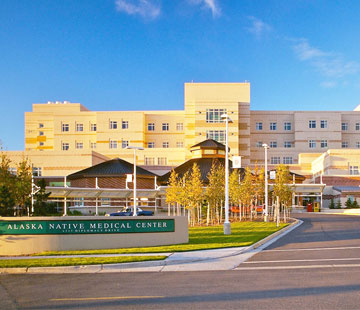
 This year, we are excited to announce our first placement in Alaska as part of this fellowship. On August 1st, Dr. Krysta Byrnes (DNP-FNP) will be the first DNP GRHF. Krysta will be spending 12 months working in the Eastern Aleutian Islands with periodic visits to Anchorage for training opportunities including one month at UW in Seattle for a global health course with other clinical fellows. Krysta is “passionate about partnering with patients and communities, empowering them to meet their own goals and to live full, productive, and healthy lives.” She was born in Japan within a universal health care system and worked abroad in Vietnam. She has also worked extensively in rural Washington state. All of these experiences helped shape her worldview that healthcare is a right for all people. After her 12 months in Alaska, she plans to spend time in either Malawi or Peru working to improve clinical capacity in marginalized settings. Her plans after the GRHF will be to work in primary care and use her experiences to advocate for ways to make the health system work for everyone including the most disenfranchised.