The UW School of Nursing’s Engagement in Iquitos, Peru: 2016 – Present
 The School of Nursing, has been collaborating with a multidisciplinary team of UW and Peruvian researchers in Iquitos since 2016 with support from generous donors, including the estate of Barbara Wyman.
UW SON students first began coming to Iquitos as part of the project in 2017. Yvette Rodriguez, a PhD student, and Austin Bidman, a BSN student conducted an assessment of the litter found in the community of Claverito.
Claverito is a floating neighborhood on the outskirts of Iquitos. Many people who live there are recent migrants to Iquitos from the interior of the Amazon and have limited access to the cash economy. Weather directly impacts their housing as their structures are alternately “floating” or on the muddy flats. Residents experience high rates of waterborne diseases.
Yvette and Austin found a huge amount of little and also that most of the litter surrounding the neighborhood was plastic. They worked together to research the impact that plastic litter could have on human health and discovered a connection to mosquito-borne diseases, through its creation of physical reservoirs for water, which attract breeding mosquitos. Rodriguez returned to Claverito in 2018 to disseminate her work with the local nursing school. Learn more about Rodriquez’s work here
In the summer of 2018, Morgan Busse, Jane Kim and Marissa Mashidas, all in the Doctor of Nursing Practice (DNP)-Family Nurse Practitioner program, joined Yvette, on this project in Iquitos. They worked collaboratively with local nurses and local nursing students from the National University of the Peruvian Amazon (UNAP) to further strengthen climate and health resilience with the residents of Claverito. They established the Academia Familiar del Amazonas (AFA), which translates to the “Family Academy of the Amazon.” Through the AFA, the team provided health education to the children and families of Claverito. Learn more here
In 2019, two nursing students visited the community of Claverito, Andrea Shelton DNP-NM and Hannah Bridgeland, DNP-FNP. They met with women and families to determine their reproductive and sexual health needs and to discover how they were accessing resources in the community and subsequently created a resource map based on the women’s priorities and needs. You can see their work here: Service Mapping for the Community of Claverito.
In 2023, Miyuki Watanabe, DNP PNP-PC student, participated in the program with the goal of updating this resource map. Upon arrival, she conducted a community meeting to assess whether community members had accessed the resource map. It was quickly determined that only four community members of the 20 attending had seen it. After this, her objectives pivoted to identify gaps in the communication of this resource and determine how living conditions and limitations might affect their access to resources.
2023: The Landscape Architecture Study Abroad Program
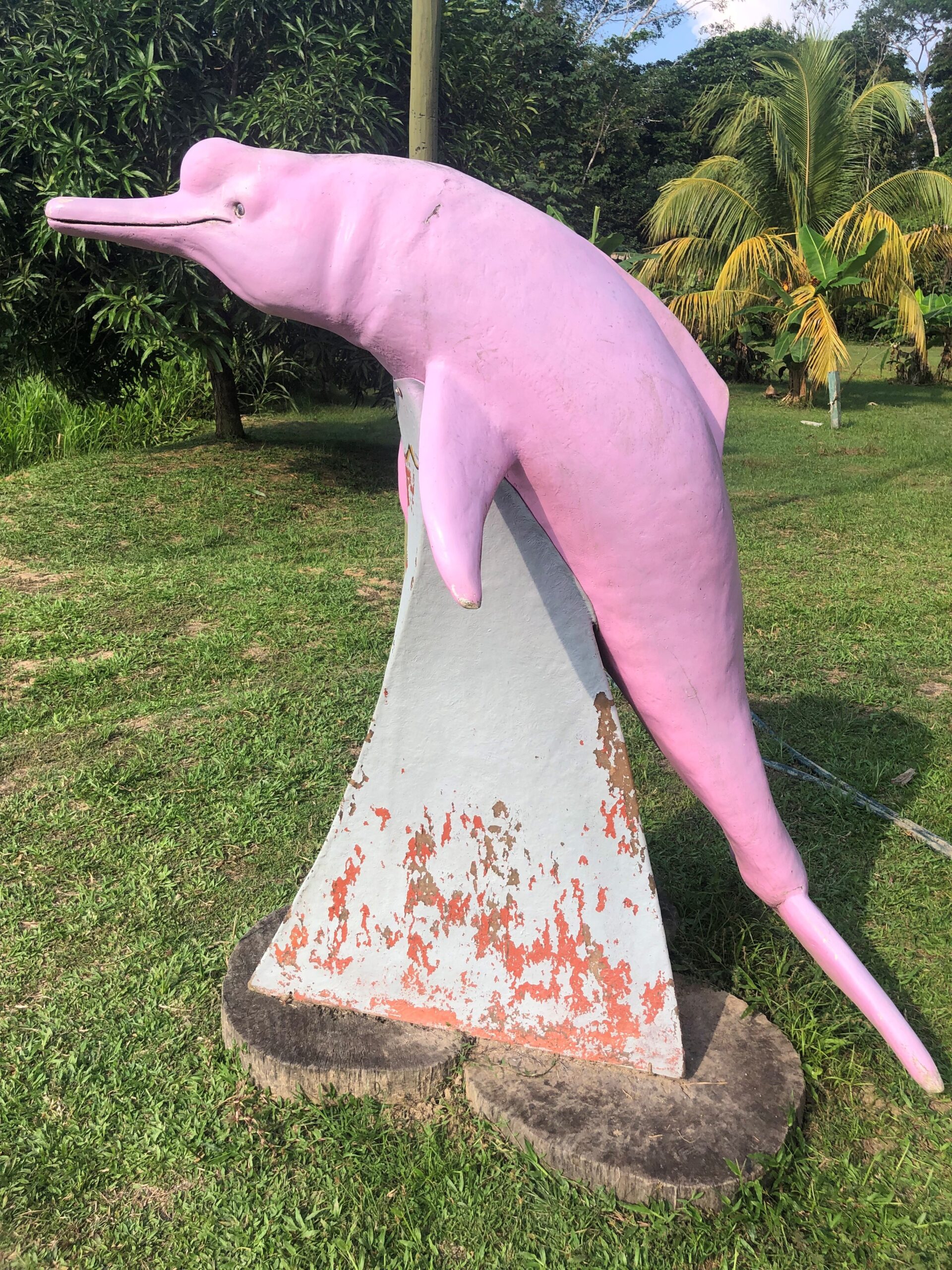 Our program began in Iquitos, a landlocked city of half a million people in the rainforest region of Peru. Iquitos, only accessible by plane and boat, is a vital access port for travel and commercial transit in this Amazonian region which includes borders with Brazil and Colombia. We spent a few days in Iquitos for orientation. Our team then traveled deep into the Amazon rainforest by boat. Five nights of camping allowed for our group of university professors and students to explore the tremendous ecological diversity of the Amazon. Each morning and evening we further explored the region via boat rides, providing amazing views of sunrises and sunsets. These excursions also offer opportunities to see many of the animals that live in the Amazonian rainforest. Sightings of pink and gray dolphins, amphibians, caimans, monkeys, sloths, macaws and a variety of other birds were commonplace. We were able to fish from the boats and even caught a few piranhas. Our team took hikes through the jungle allowing us to further explore the myriad of native plants, trees, and the creatures that thrive within this unique environment.
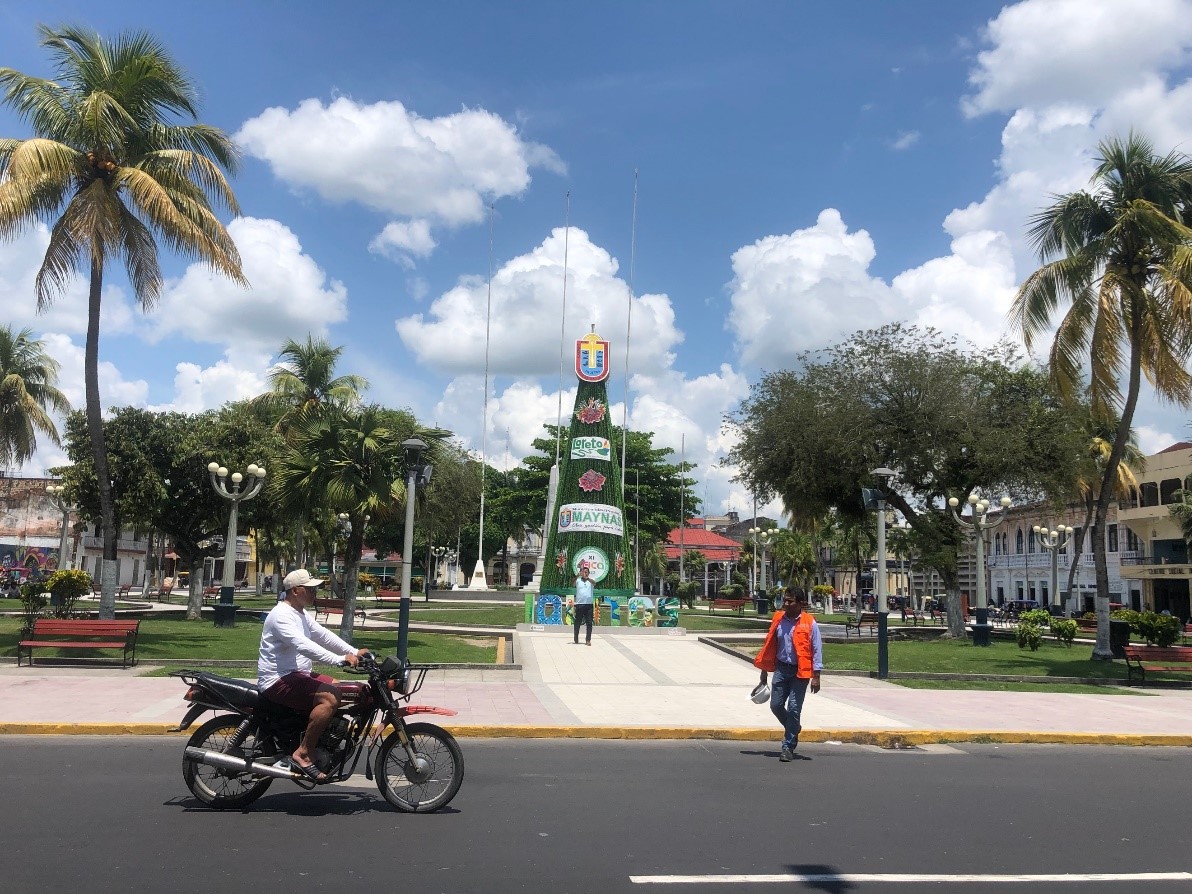 After five nights of camping, our group traveled back to Iquitos for another few days. Time in Iquitos was filled with a variety of activities – lectures/discussions, field trips, and site visits. We enjoyed lectures from local researchers. We learned about the history of Iquitos’ urban development and how government policy has impacted its current design. We spent time walking through local markets. We visited museums, health care satellite facilities, the local university, and a mosquito lab. At the mosquito lab, we learned about two different mosquito species and the specific diseases that each carries including dengue, zika and malaria. Scientists at the lab are working on ways to decrease the incidence of such infections, as well as prevent mosquito breeding.
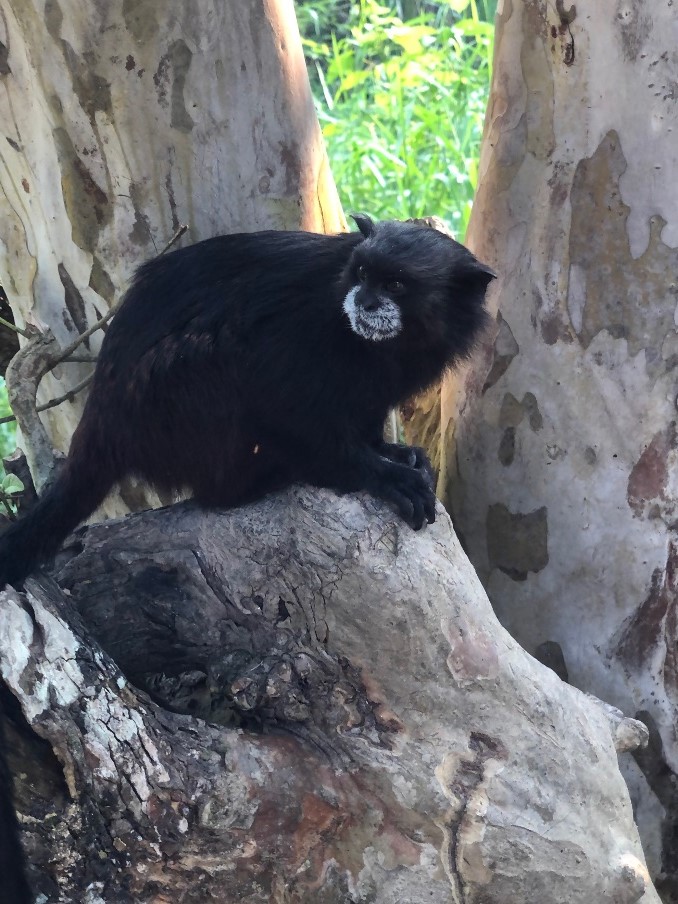 Then, we traveled to a peri-urban Amazonian lodge for another five nights. Here, running water (not potable) and electricity were available from morning until evening, but not overnight. Boat rides provided transit to explore new areas of the jungle. We were able to visit a number of animal sanctuaries. One, on the way to the lodge, was Fundo Pedrito. This sanctuary is home to animals that have been rescued from the illegal trafficking market or those who had been wounded and found. Another, La Isla de los Monos, or “Monkey Island,” serves the same purpose as Fundo Pedrito, housing a variety of monkeys with the intent to release them back into their natural habitat. During our time at the lodge, we visited the community of Bombonaje. The local medical technician met with us and guided our tour of the school and the medical outpost so we could see the health and educational resources available to local communities.
This study abroad program in Peru is a fantastic field-based opportunity to learn as part of a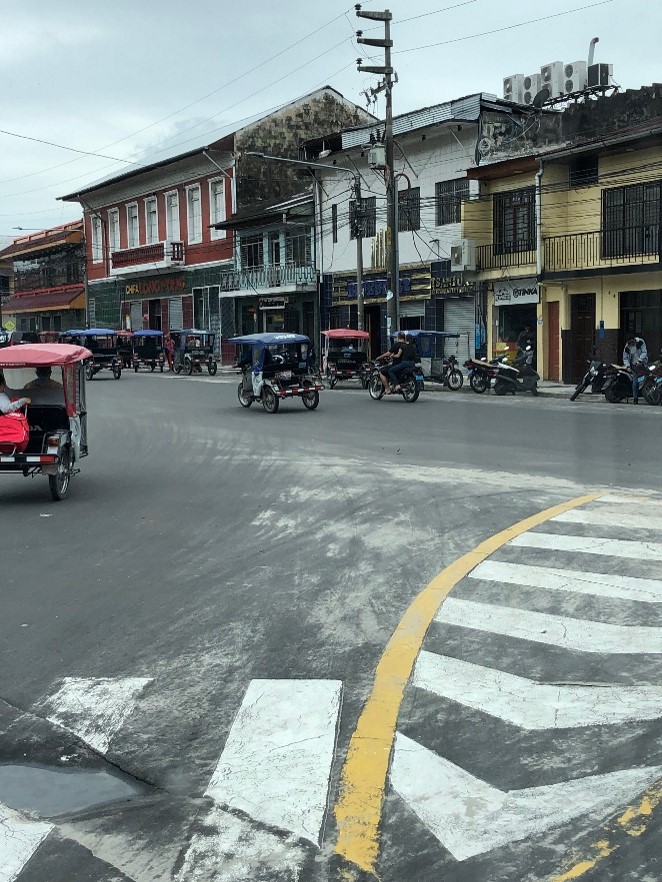 multidisciplinary team. I found this aspect of the program to be the most unexpectedly beneficial. I learned from students from environmental science, landscape architecture and other majors about their work and how they think through their projects. Prior to attending the program, I would have never thought to consult with a landscape architect or other urban development specialists on health initiatives. As a nurse, my first thought is health of the individual. My nursing experience has taught me to include the environment where people live and how that relates to both their physical and mental wellness. My view of health and nursing is now more holistic and includes, more intentionally, the built environment of my patients and the communities I serve.
 Before going to Peru, I believed that urban development was synonymous with diminished health outcomes for people, animals and the environment. But what I learned from the perspectives and knowledge of my multidisciplinary colleagues has changed this single-minded view. Landscape architects and development specialists are really thoughtful about their designs. They not only consider the use of space, but also the plants and materials to be used for each project. They are able to incorporate practices that create safe and healthy environments for all living things, in urban and rural settings. So now, I am hopeful that through collaboration with a variety of fields and perspectives, urban development can be good for overall health. The heart of One Health came to life.
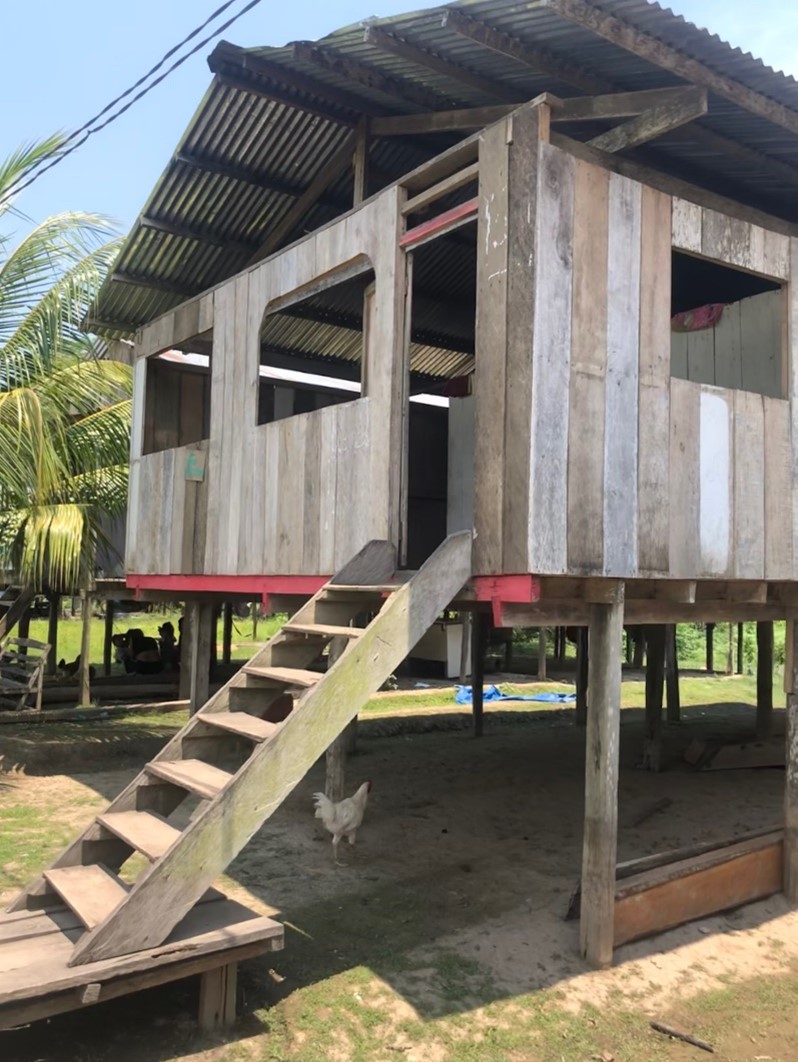
Another important aspect of the program was how it provided a new and vivid view of the social determinants of health (SDoH) which I had formally learned about the throughout nursing school and informally, through my own upbringing and lived experience. This program took me out of the world that I previously knew and uniquely highlighted the impacts of the SDoH – especially by highlighting the different experiences for people living in different levels of urbanicity in Peru. 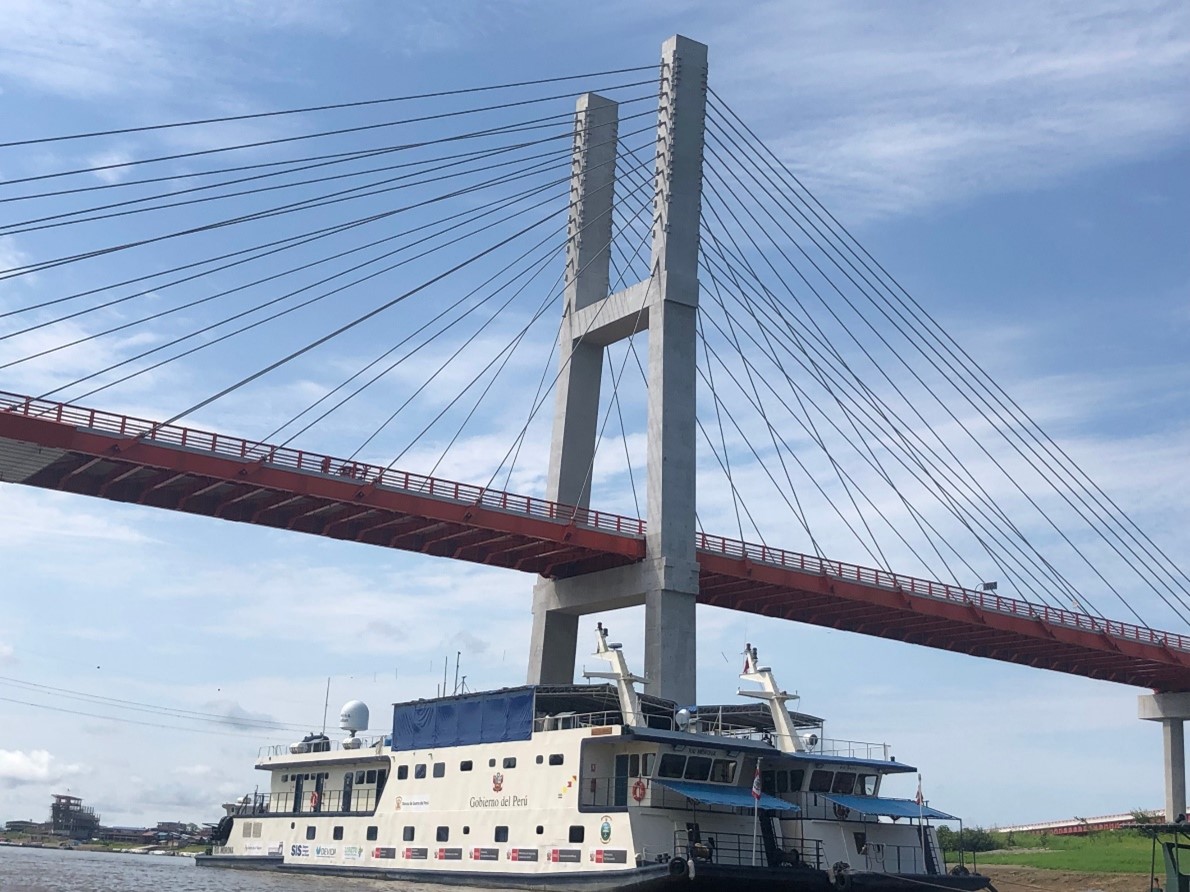
Overall, this program centers on landscape architecture and the built environment – and encourages a reflection of impact of urban development on human and environmental health. Students on this program are from landscape architecture, urban development, design engineering, public health as well as nursing. It is important for nurses to understand that this program is not nursing-centered. While you will see the SDoH displayed, and you get to visit sites like the mosquito lab, health clinic outposts, the university that researches indigenous medicine, and talk to various providers, the program is designed around landscape architecture. Adding the nursing perspective enriches the experience for all participants.
Meet the Participants
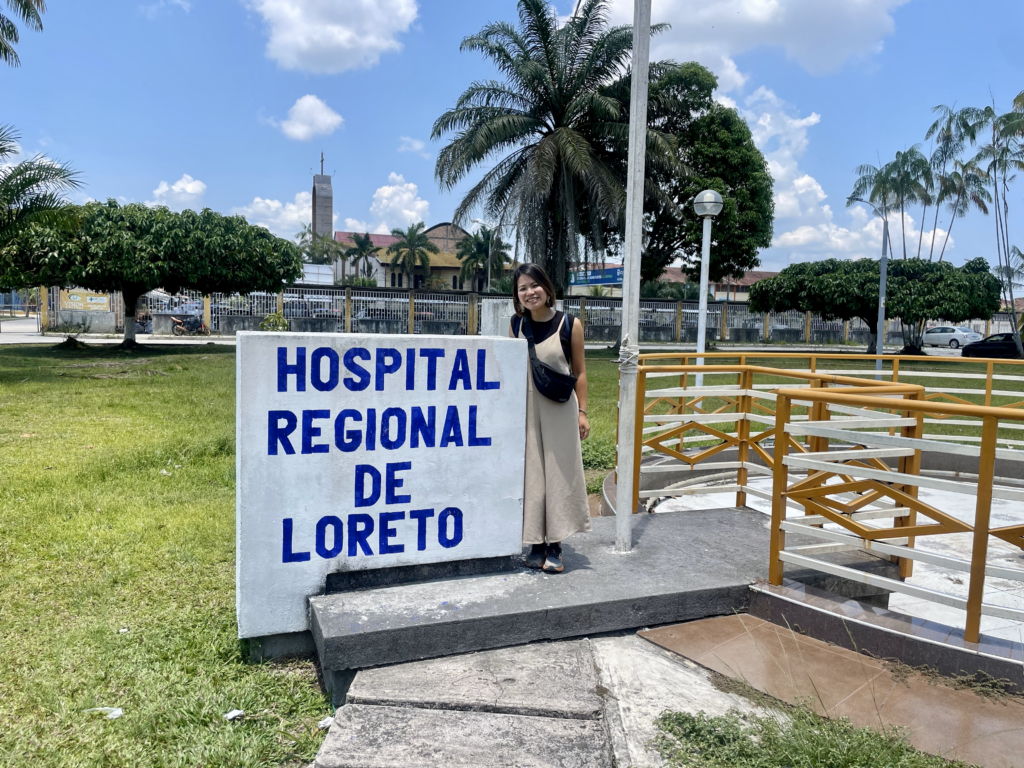
Photo Credit: Miyuki Watanabe
Miyuki Watanabe
DNP- Pediatric Nurse Primary Care Practitioner Student
Reason for going: “Interested in health care access in limited resource settings.”
Favorite part: “I was able to interact with local people and hear lectures from local researchers.”
Recommendation: “I recommend that you do preliminary research or literature reviews [on governmental structure and current events], a simple one is fine. That would be really helpful to connect with the experience.”
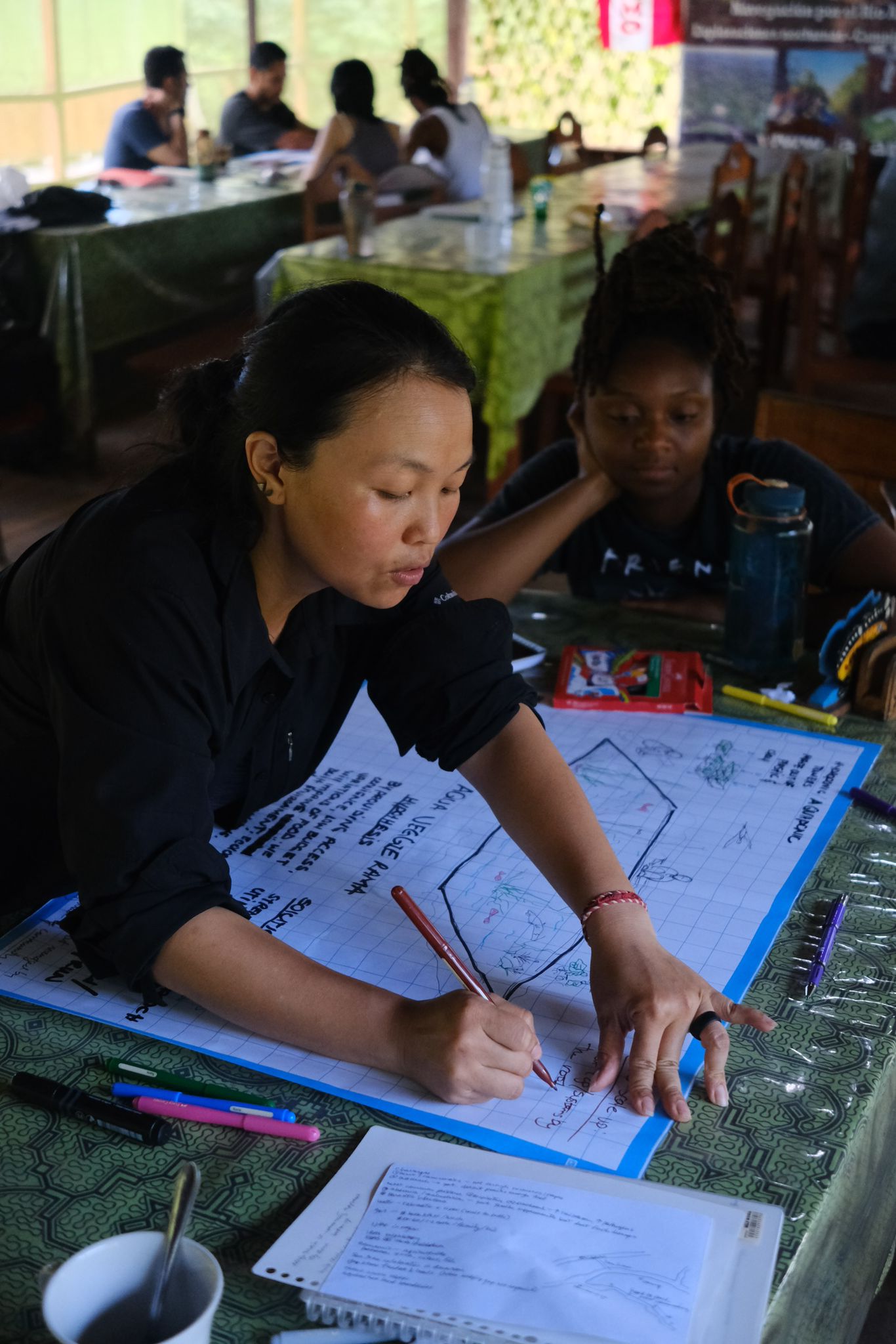
Photo Credit: Nhia Yerkes-Yang
Nhia Yerkes-Vang
DNP- Population Health & Leadership Student
Reason for going: “[To gain a] broader, global perspective of what health is. How different countries, cultures, and people define health care and wellbeing.”
Favorite part: “Being outside; being in the rainforest. That was just amazing. And then too, learning about all of the local plants and animals that are there, and utilizing those resources that exists within the rainforest.” “I really loved all of the activities that were planned.”
Recommendation: “Research the area. Learn a little bit of context before you go. Especially weather-wise, infrastructure-wise. Know a little bit, but also don’t make assumptions and make sure you pack light…[and] take the health recommendations seriously.”
“I wish I spoke Spanish… [The experience] could have been so much more rich…That was my biggest regret.”
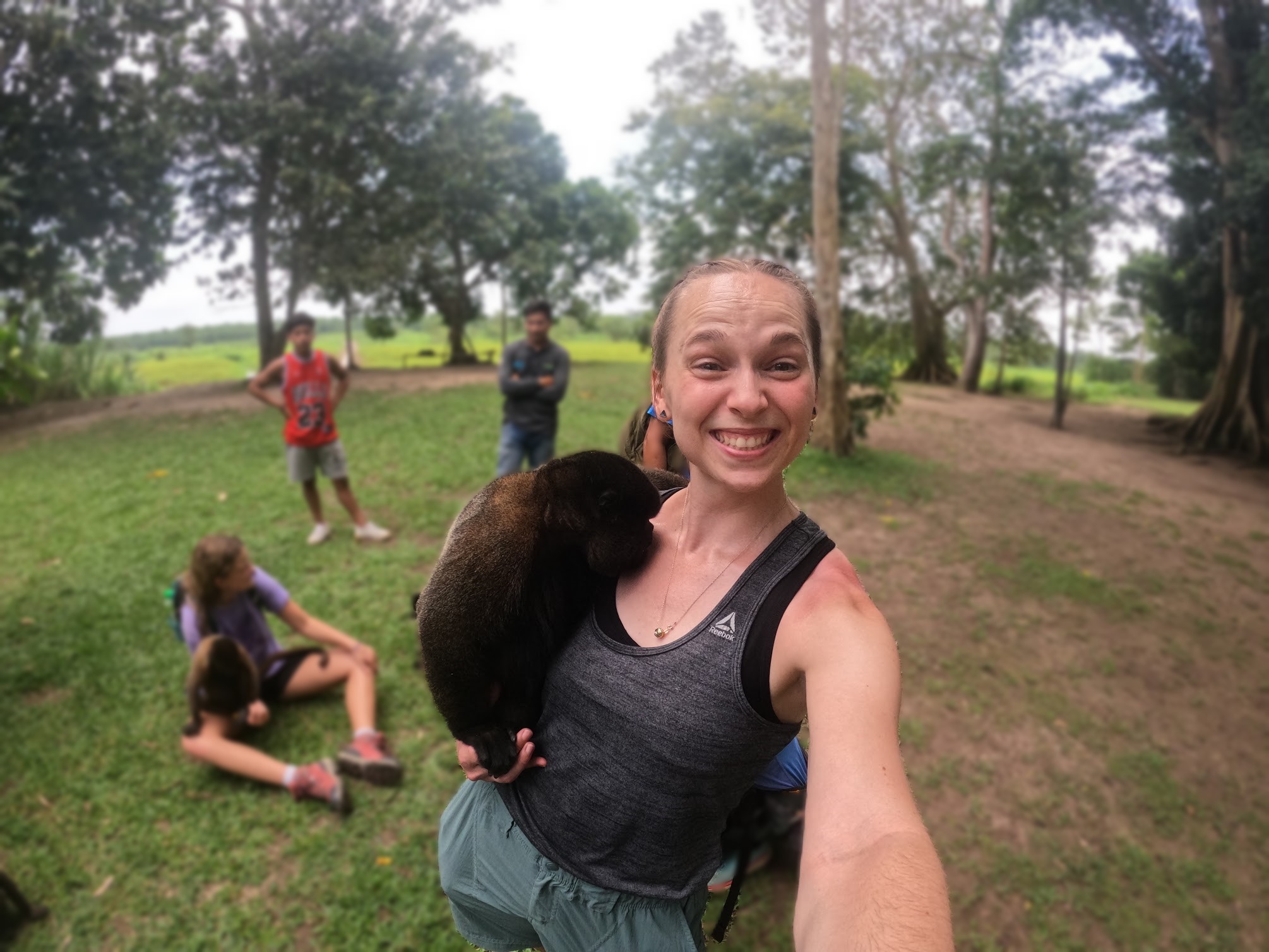
Photo Credit: Mollie Killion
Mollie Killion
DNP- Population Health & Leadership Student
Reason for going: “Learning about how other disciplines complement nursing for more holistic population-health interventions/ experience with interdisciplinary teams…I like to go on adventures and push myself to try new and difficult things!”
Favorite part: “So many! Seeing so many amazing animals (dolphins, monkeys, sloths are a few of my favorites) and learning about them and their home. Fishing for piranhas. Waking up to howler monkeys in the jungle. Sunrise and sunset canoe rides on the Amazon River- the most magical experience of my life!”
Recommendation: “Lots of packing recommendations: bug spray, mosquito head net, antibiotics and anti-diarrheal medicines, hydration tablets, mini rechargeable/battery operated fan. Go into it with an open mind and be ready for a big adventure! You will sweat more than you ever have before and be eaten alive by mosquitos and biting flies, but it is all part of the adventure and all worth it for the incredible experience! Talk with the local guides and biologists as much as you can- I learned so much from them!”
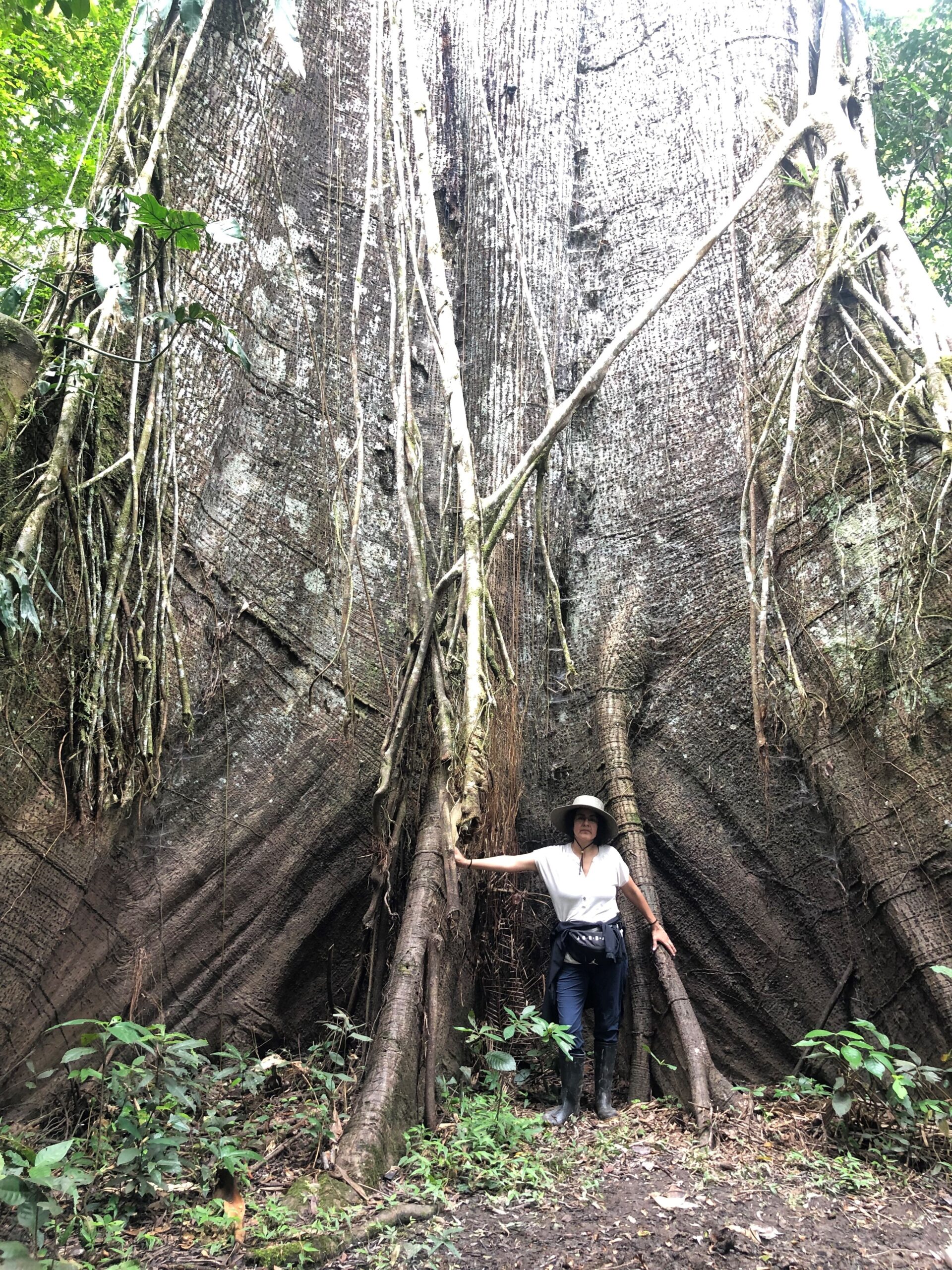
Photo Credit: Ronnie Tecsi
Ronnie Tecsi
DNP- Population Health & Leadership Student
Reason for going: “Explore a part of the world that I had not been before and learn from a multidisciplinary team.”
Favorite part: “Experiencing the jungle, the rivers, the animals and interacting with the local people.”
Recommendation: “Pack light. There is a laundry mat close by with next day service, sometimes sooner. Be mentally prepared for dry camping while in Pacaya Samiria – no running water, no electricity. You will be provided boots to wear for walking through the jungle. So, no need for heavy boots, just a good pair of walking shoes. A light air mattress is worth it.”


